This article prioritizes research institutions and journal sources, supplemented by farms and hobbyists’ experience, to help enthusiasts understand cherry shrimp more deeply—please share corrections or differing observations.
Names and distribution
Colloquially, “rice shrimp” can mean any small shrimp in fresh or brackish water worldwide. In taxonomy, “Neocaridina cherry shrimp” refers to the genus Neocaridina—the same characters in Chinese, but a narrower scientific meaning.
Names such as “painted red” and “painted fire red” in Taiwan shops are grade labels based on shell color; each store or farm may use different trade names.
The accepted name is Neocaridina davidi (Bouvier, 1904), genus Neocaridina, with junior synonyms Neocaridina denticulata and Neocaridina heteropoda and several subspecies. The map below summarizes Taiwan distributions (Han, Hsu, Fang et al., 2019).
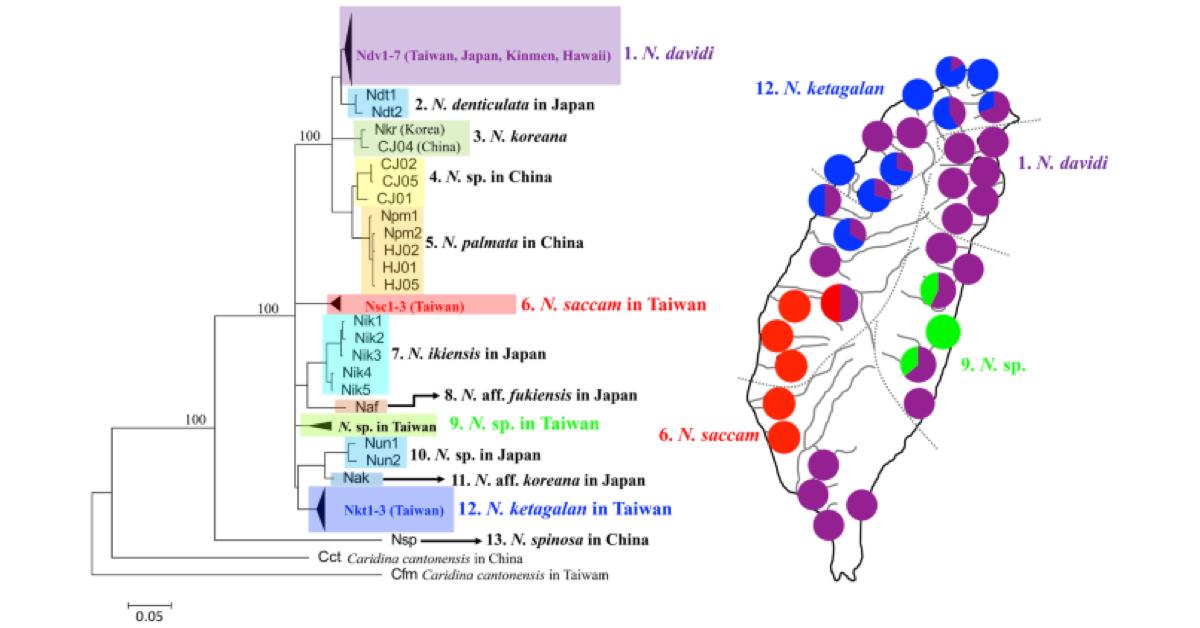
Taxonomy went through a long transition, so scientific names were inconsistent: the same species was described at different times and places before being stabilized. When researching, cross-check synonyms and note which name each source uses.
Origins
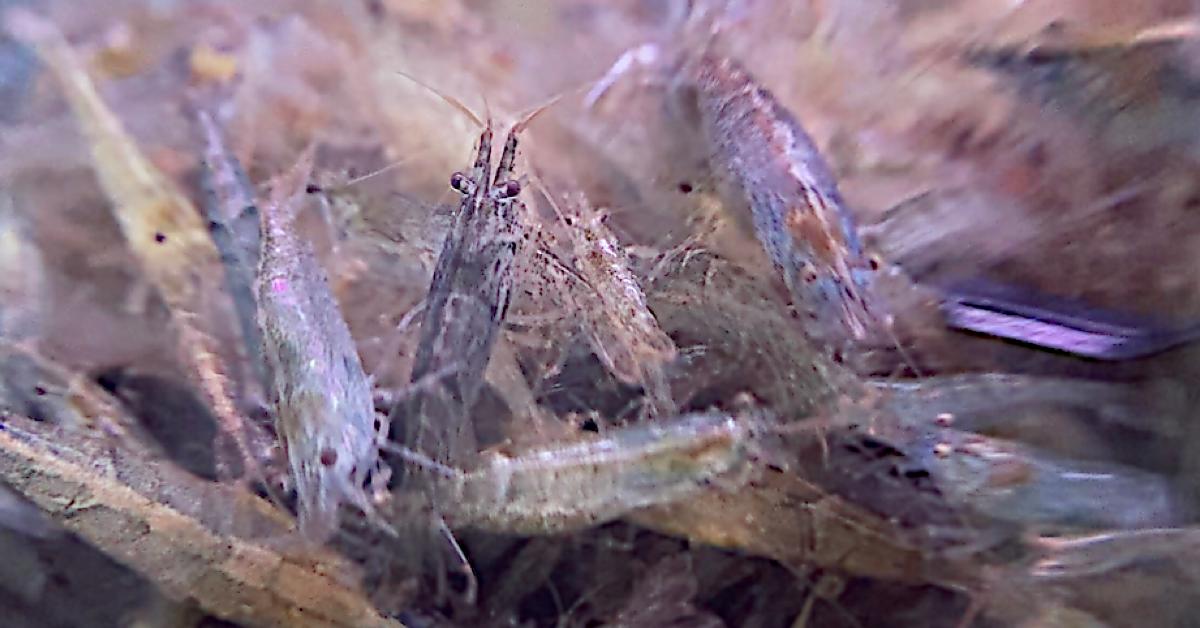
Colored lines were bred from wild “black-shell” shrimp—a collective term for several natives: Neocaridina denticulata, Caridina formosae, and Caridina pseudodenticulata (Chen et al., 2017).
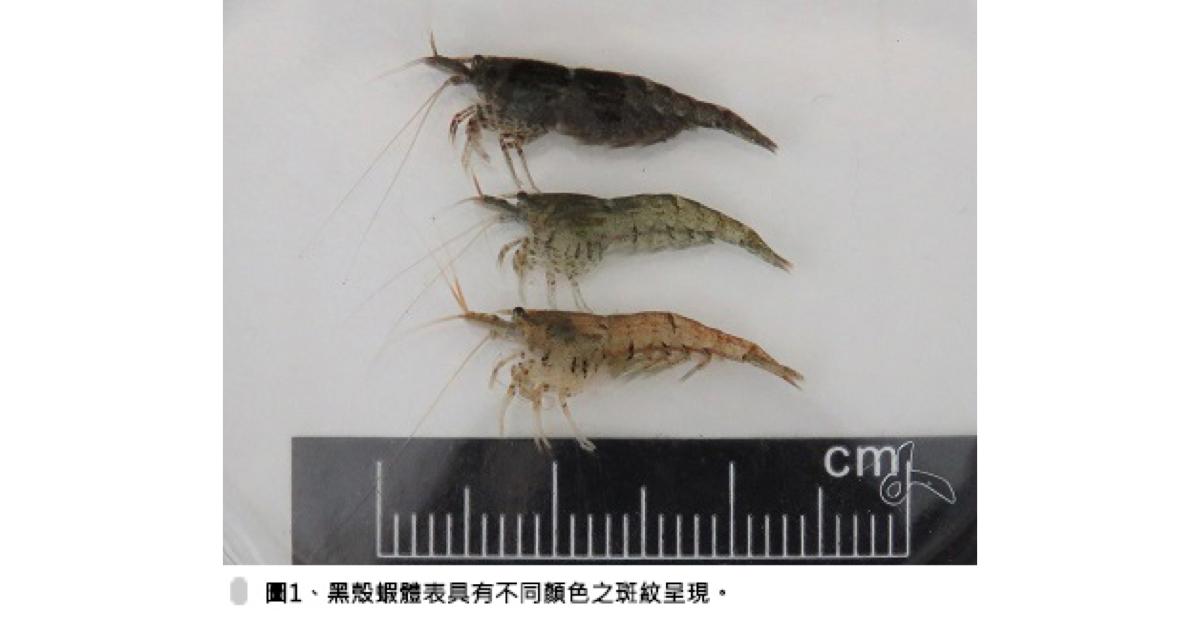
wild grass shrimp ("black-shell shrimp")
Native cherry shrimp species
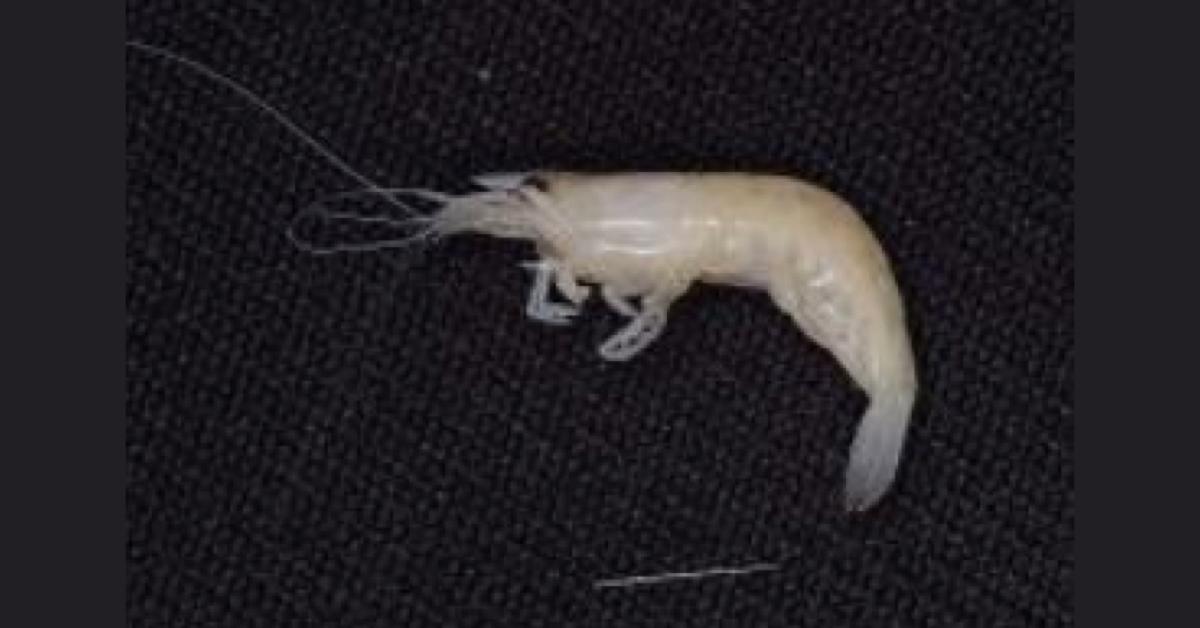
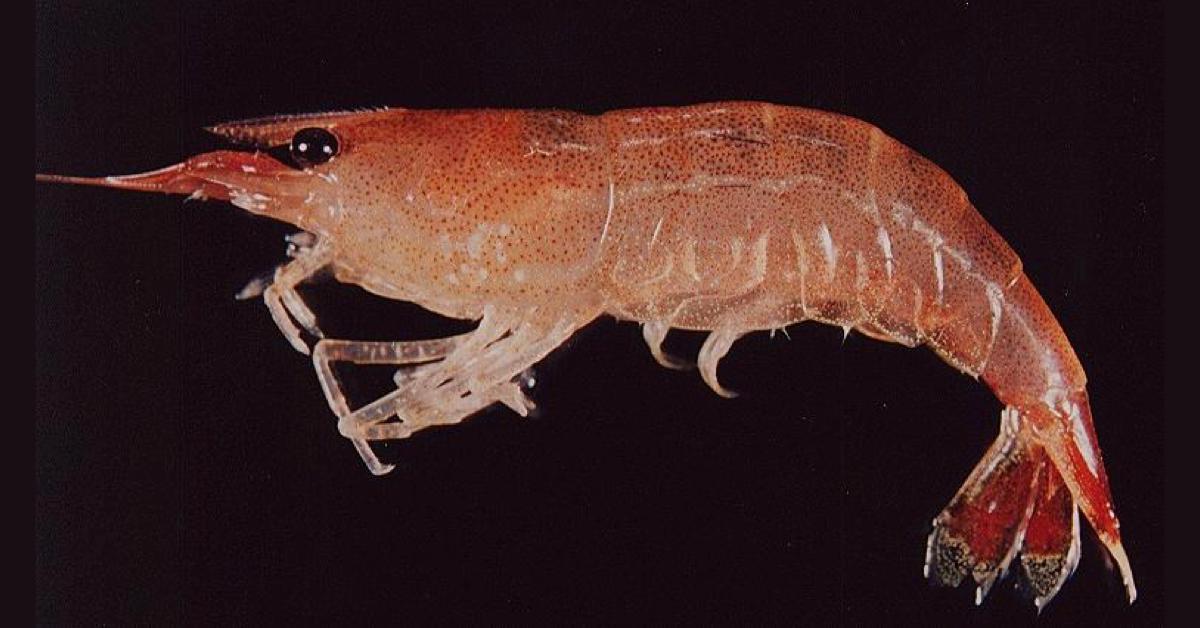
Images here are preserved specimens (photographed post-mortem), so colors are somewhat off—but they are valuable early records of native forms.
(1)Neocaridina denticulata sinensis
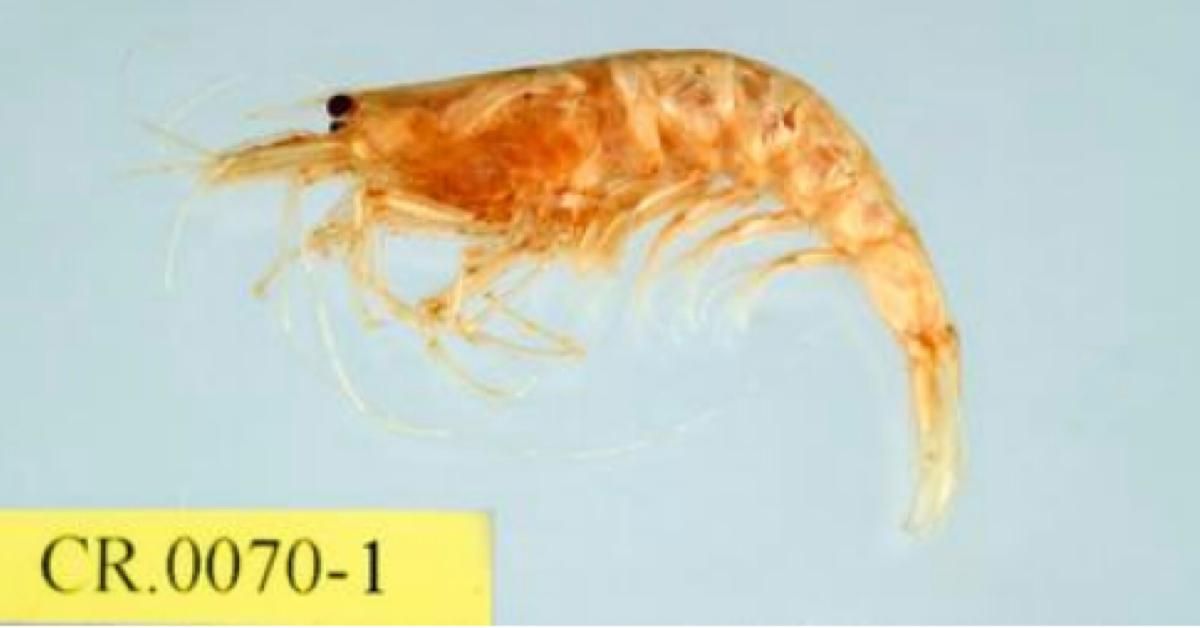
(2) Neocaridina denticulata — many-toothed cherry shrimp
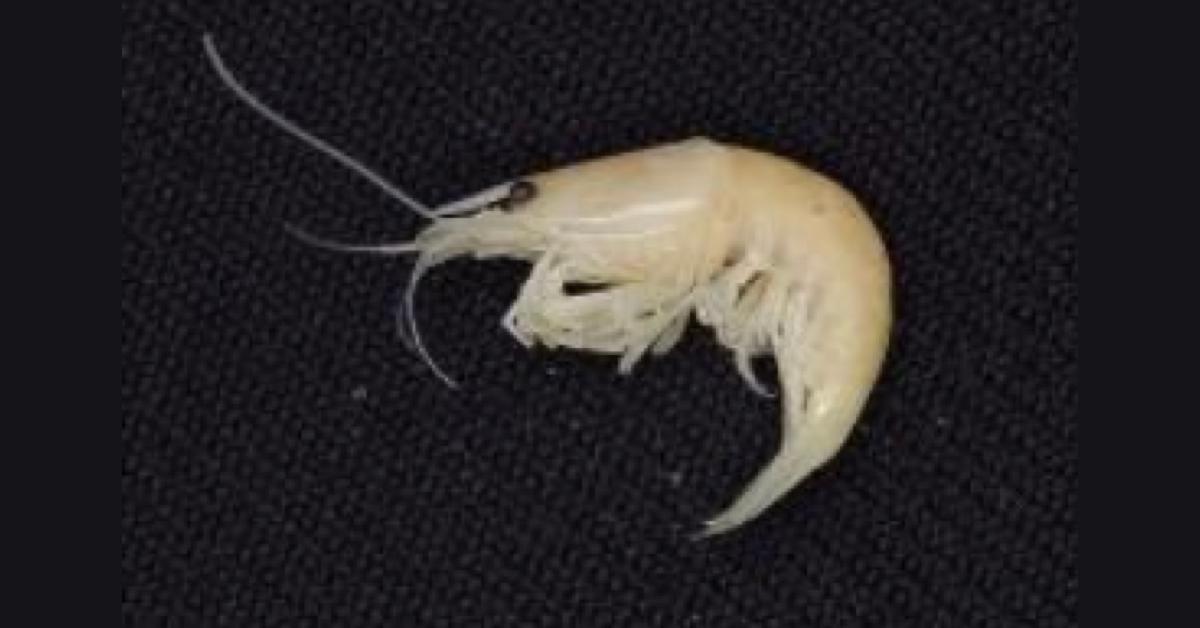
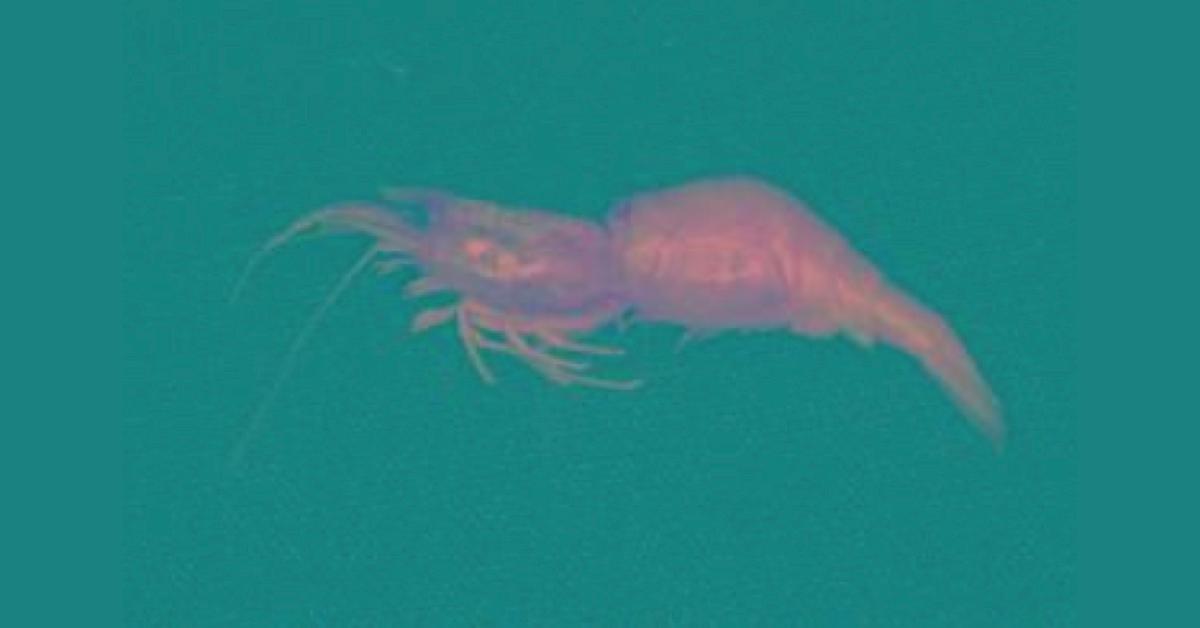
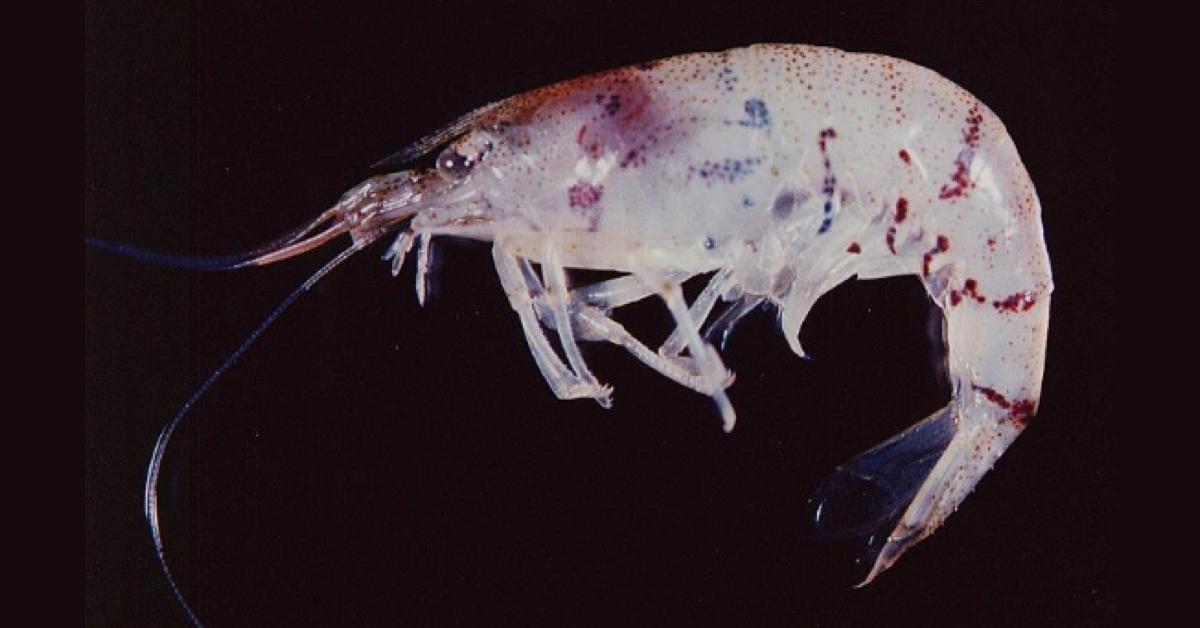
(3) Caridina pseudodenticulata — false many-toothed shrimp
Morphology and sexing
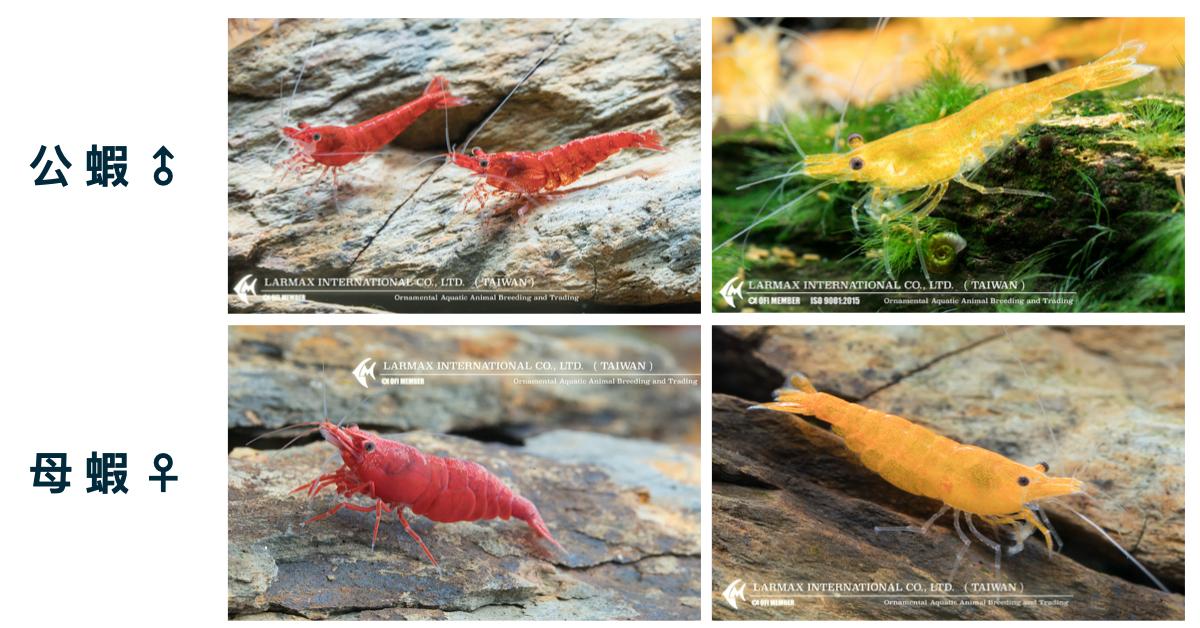
Sex becomes clear only after shrimp reach a certain size. Males: flatter abdomen, smaller body, often weaker color. Females: abdomen shape, visible ovary, or eggs. Dense, saturated color can hide the ovary, so it is not labeled in every panel below.
At first there were no suitable photos, so a diagram was drawn; real photos were added later for easier comparison.

Life cycle of cherry shrimp
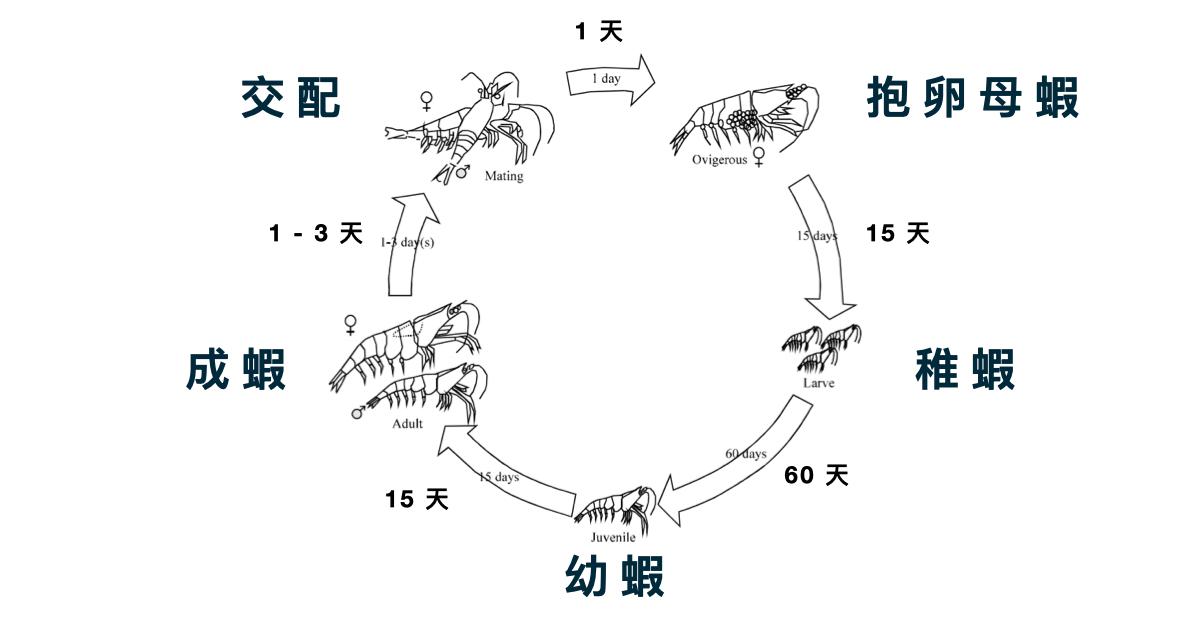
Nur & Christianu (2013) report that for Neocaridina denticulata sinensis at 27 °C, eggs lighten and turn translucent before hatching. Post-hatch juveniles grow into young shrimp by day 60 without visible sexual traits; after 15 more days they reach maturity.
Diet
Kohal et al. (2017) found that adding 8–10% Arthrospira platensis (spirulina) to daily feed improved growth, survival, and reproduction in Neocaridina davidi.
Bingöl, Türkmen & Karadal (2016) compared four diets—pellets, flakes, sticks, and spirulina-fortified feed of the same base—showing spirulina improved growth and survival in Neocaridina denticulata.
Effects of temperature
Neocaridina heteropoda heteropoda tolerates 24–32 °C. At 24 °C, growth within 30 days post-hatch is delayed; 28 °C is optimal with the highest spawning rate; 32 °C harms females and can cause egg abandonment (Tropea, Stumpf & López Greco, 2015).
Tomas et al. (2021) compared Neocaridina davidi at 20, 24, and 28 °C: female weight was similar across temperatures; males were heavier at 20 and 24 °C. Ovarian maturation lagged at 20 °C—cold clearly affects metabolism and breeding.
Habitat and rearing environment
Three sources—two journal papers and one elementary science-fair project—address how environment affects cherry shrimp color; their conclusions align surprisingly well.
Lee & Huang (2007) collected wild cherry shrimp from Luodong irrigation ditches, Yilan, and reared them on dark vs. light backgrounds. Body color tracked substrate tone; shrimp from dark morphs also lightened on pale tanks. Wild samples were mostly pale—only 2–3 dark individuals per ~100.
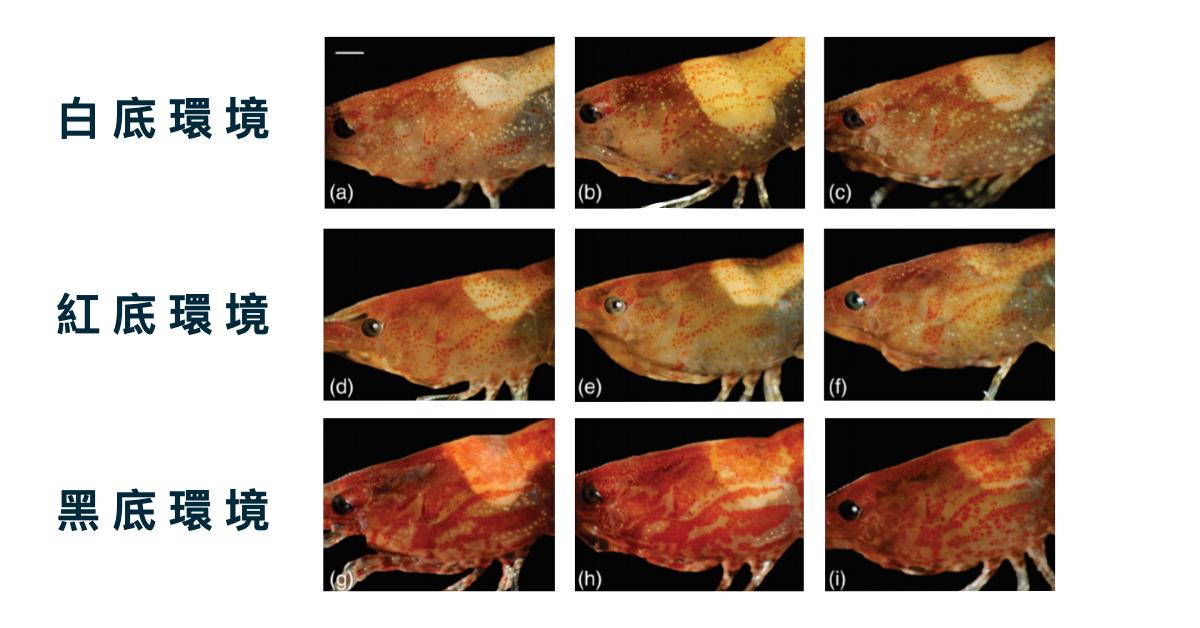
Tomas, Sganga & López Greco (2020) studied female Neocaridina davidi in white, red, and black tanks. Females in dark substrates with refuges had higher astaxanthin and better color (see figure).
Plichta et al. (2021) tested red, brown, and white Neocaridina davidi for habitat preference. All morphs preferred dark, rough backgrounds regardless of their own color—rocks and large plants aid survival.
Reproduction: cherry shrimp and their offspring
Sganga & López Greco (2019) found clutch size in Neocaridina davidi correlates with female weight, not female color; age strongly affects female coloration. Male weight does not predict egg count (Tropea, Sganga & López Greco, 2019).
Female Neocaridina denticulata sinensis show an orange ovary in the cephalothorax and release 21–51 young per brood; larger females produce more. Juveniles and adults in freshwater are prone to leeches; rearing in 5–10 ppt brackish water can clear infections (Nur & Christianu, 2013).
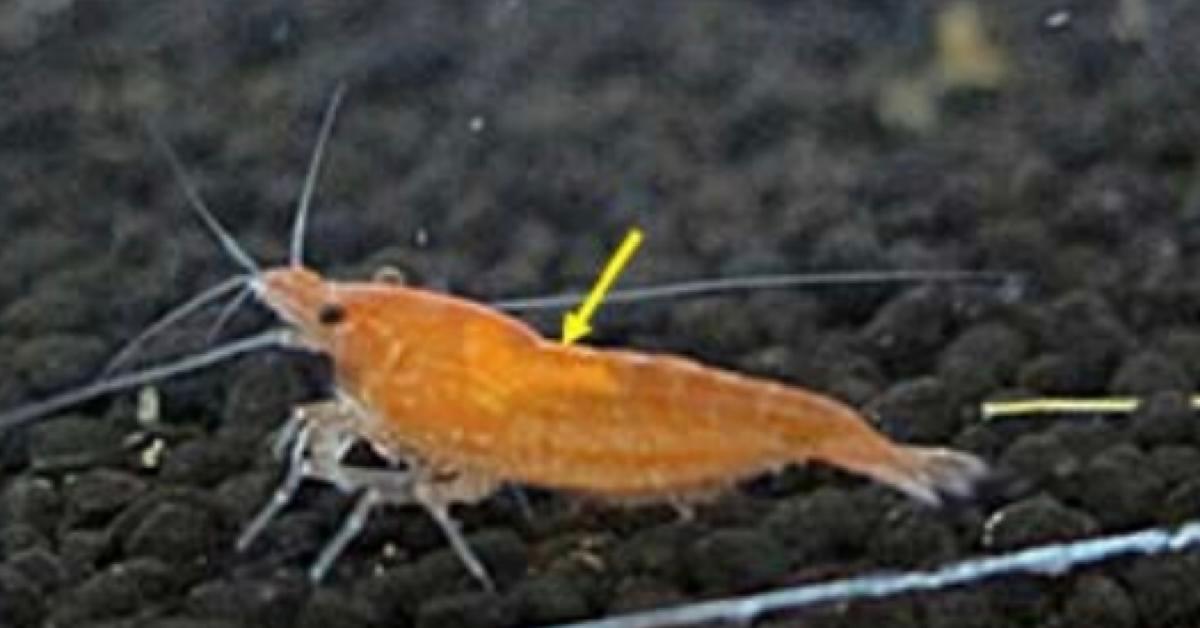
Cherry shrimp gallery: other colors on the market
Beyond red, cherry shrimp come in orange, yellow, green, blue, white, and brown forms. Not all are the same species, and not all originate in Taiwan.
Wang Kuo-chung notes in Ornamental Shrimps of Taiwan that “golden” strains may trace to southern Japan with a breeding season unlike Taiwan’s. Besides native green forms, Babaulti types (e.g., Caridina cf. babaulti “green”) exist and are hard for non-specialists to tell apart.
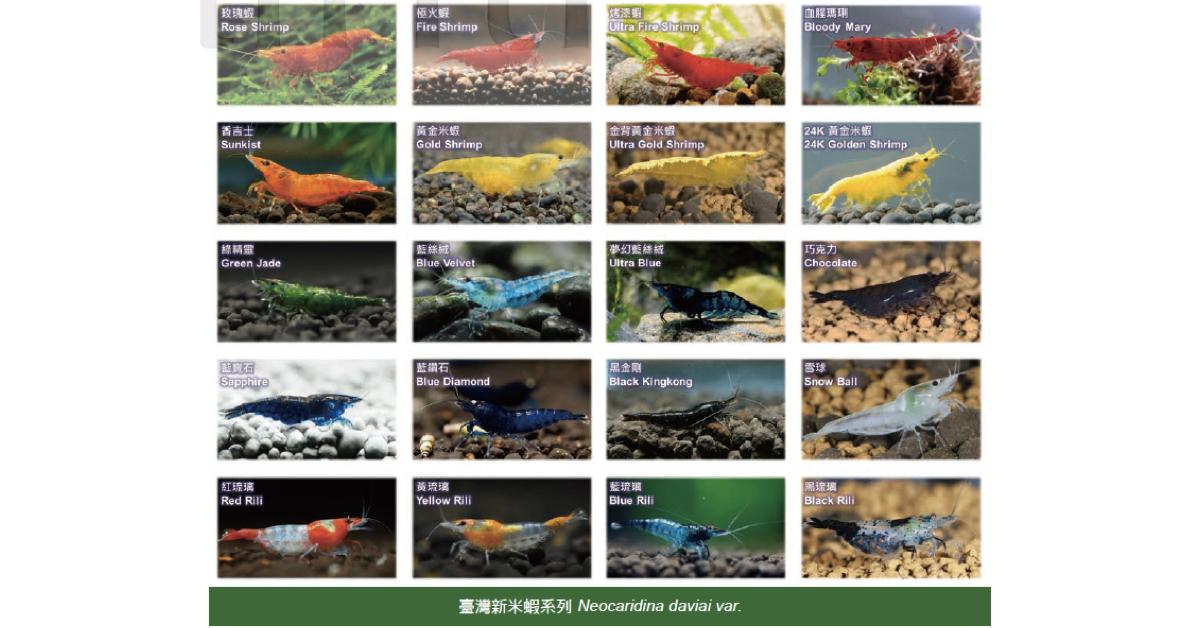
Common color names, trade names, and scientific names
Taiwan’s ornamental shrimp enjoy global recognition, and hobbyists abroad share lots of information. Common names are listed below; for a given color, try Ornamental Shrimps of Taiwan or search in several languages—you may find surprises.
As noted, cherry shrimp taxonomy went through a confused period, so the web lists many names. The scientific names below are compiled for reference and may be incomplete—corrections welcome.
(1) Fire red shrimp
Chinese trade name: fire shrimp
Common names: flame shrimp
Scientific name:
(2) Rose / sakura shrimp
Chinese trade name: rose shrimp
Common names: rose shrimp、red cherry shrimp、sakura shrimp、チェリーレッドシュリンプ
Scientific name: Neocaridina denticulata sinensis、Neocaridina davidi var. "Rose"
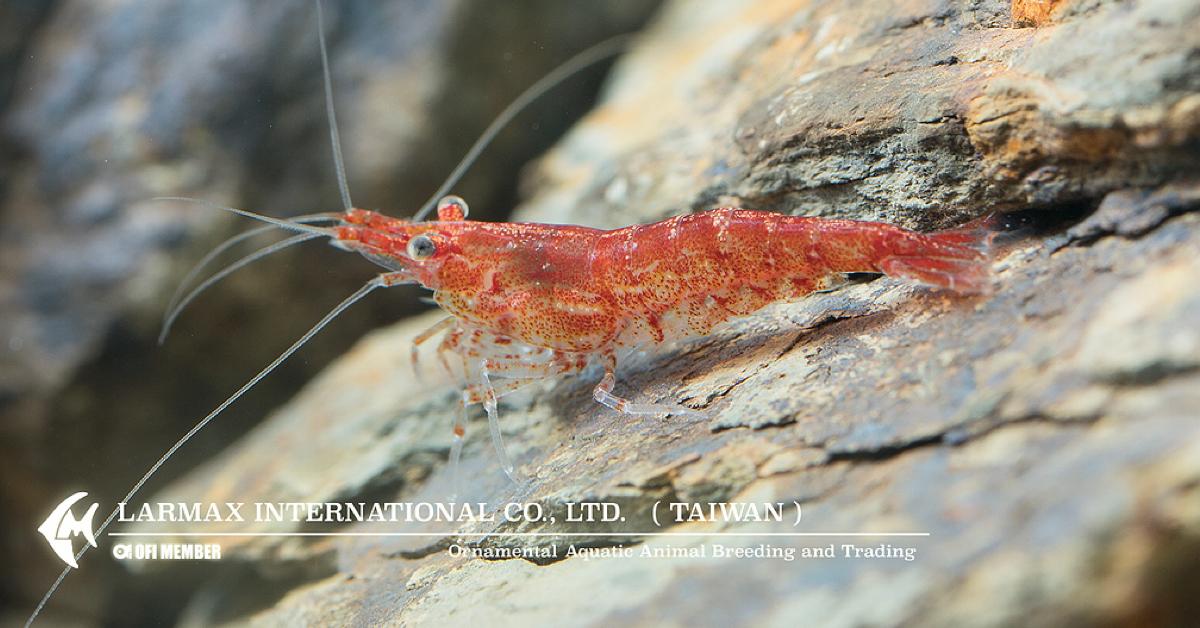
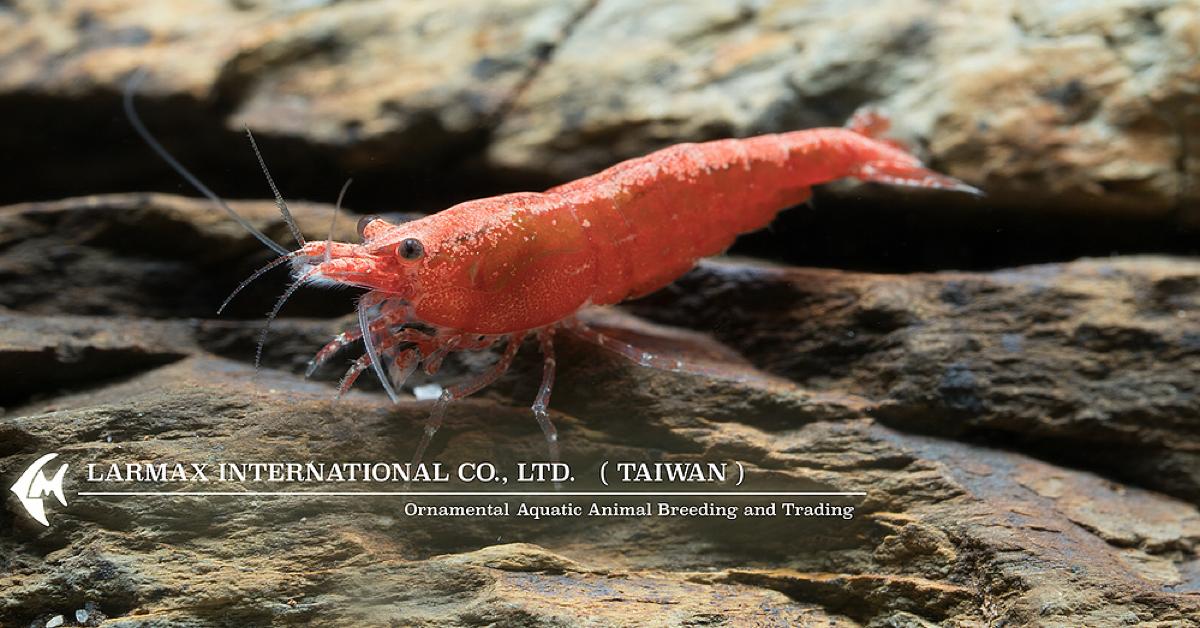
(3) Painted fire red
Chinese trade name: painted fire red
Common names: fire shrimp、fire red shrimp、red cherry shrimp、レッドファイアーシュリンプ
Scientific name: Neocaridina denticulata sinensis var. red、Neocaridina davidi var. "Fire"
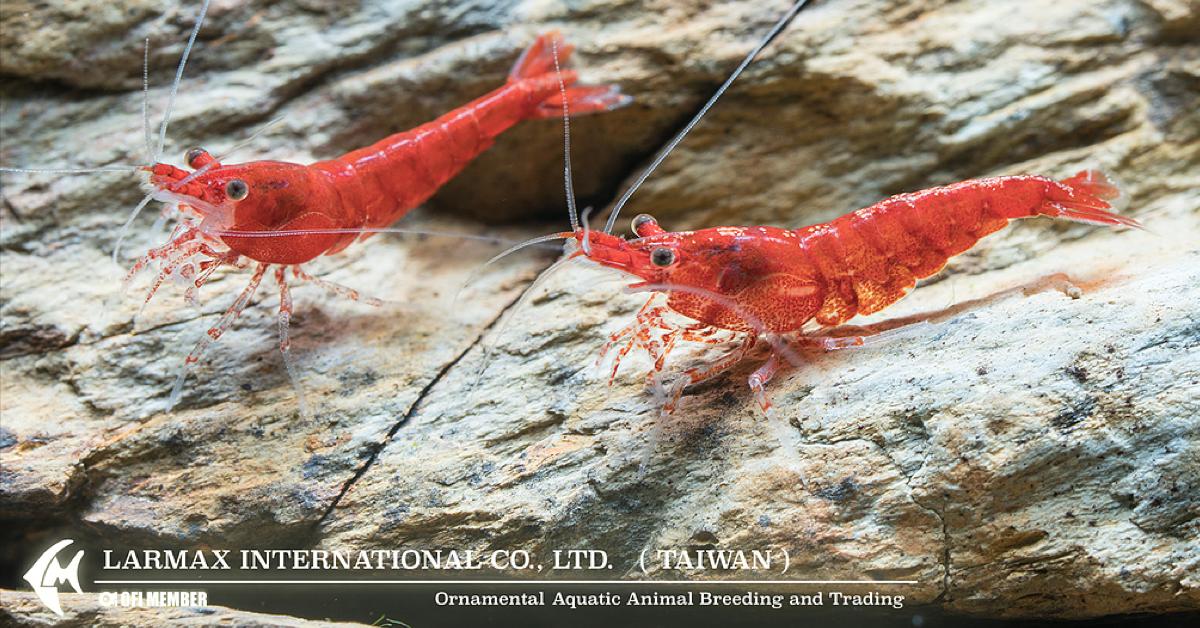
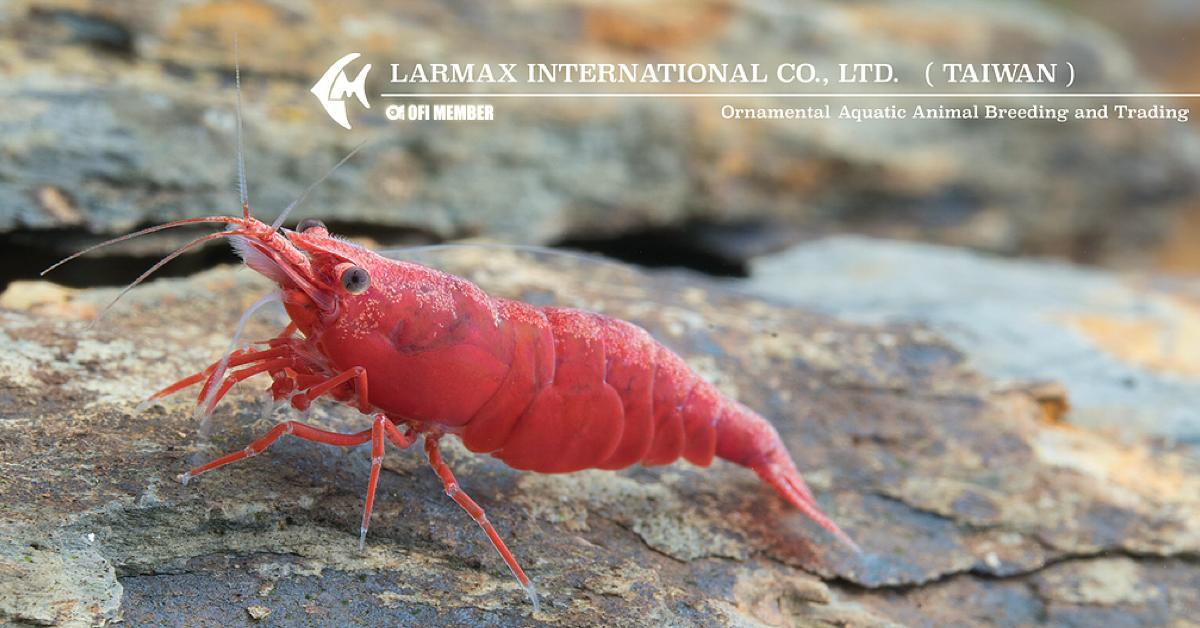
(4) Painted / high-grade red
Chinese trade name: painted red
Common names: ultra shrimp、paint red shrimp
Scientific name:
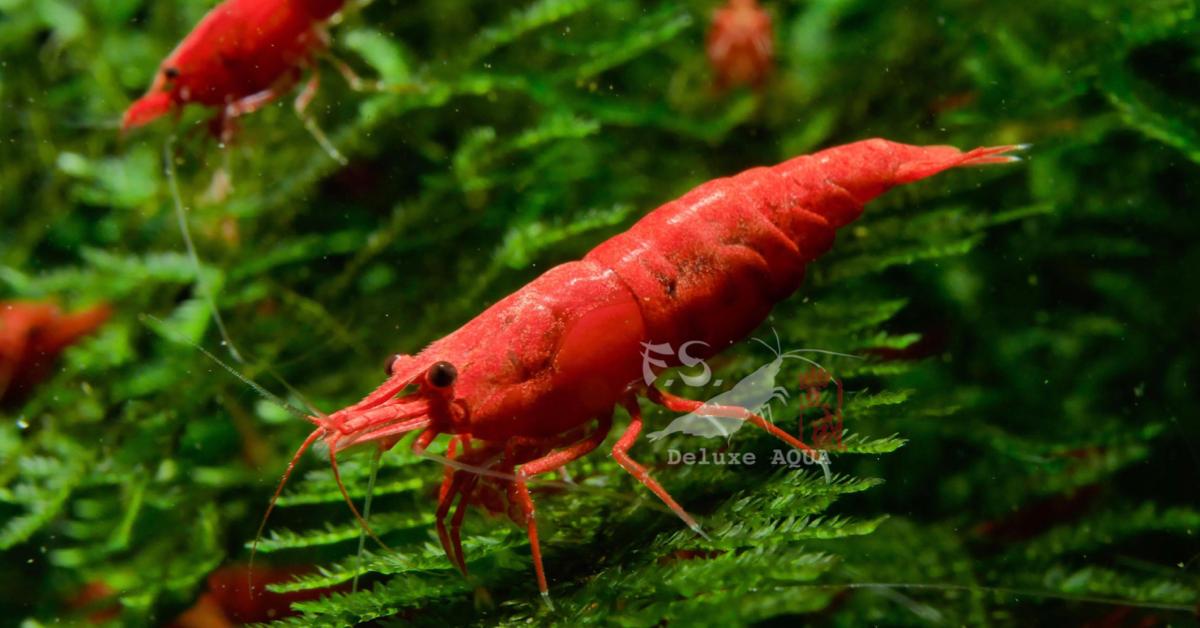
(5) Carbon / fire red rili
Chinese trade name: carbon fire red
Common names: carbon fire red shrimp
Scientific name:
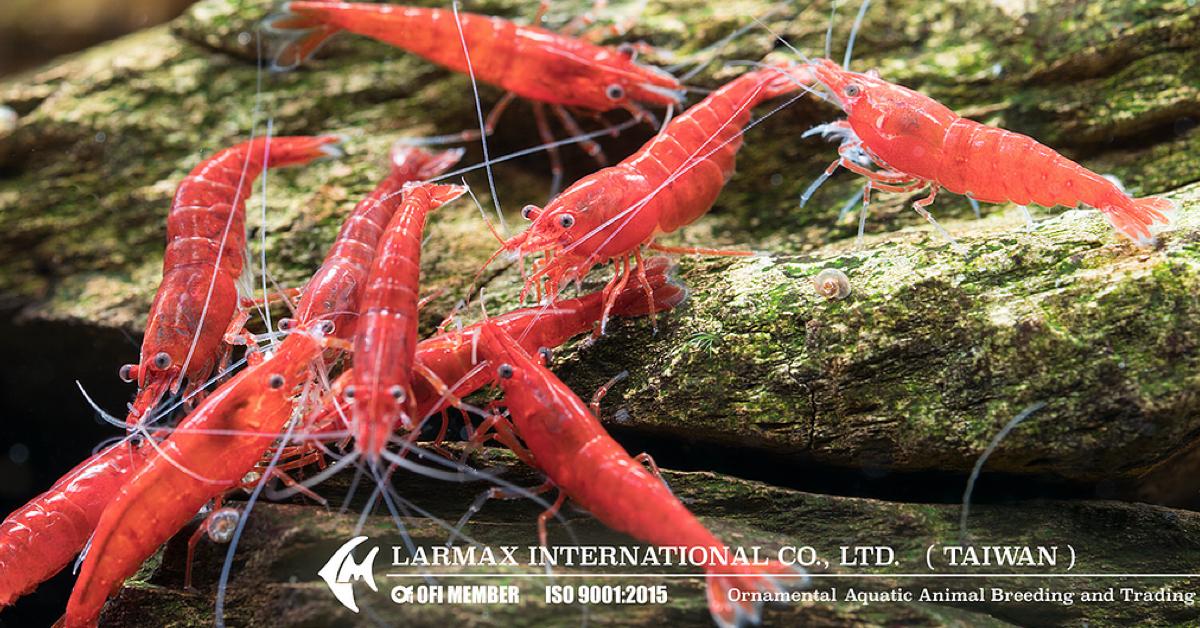
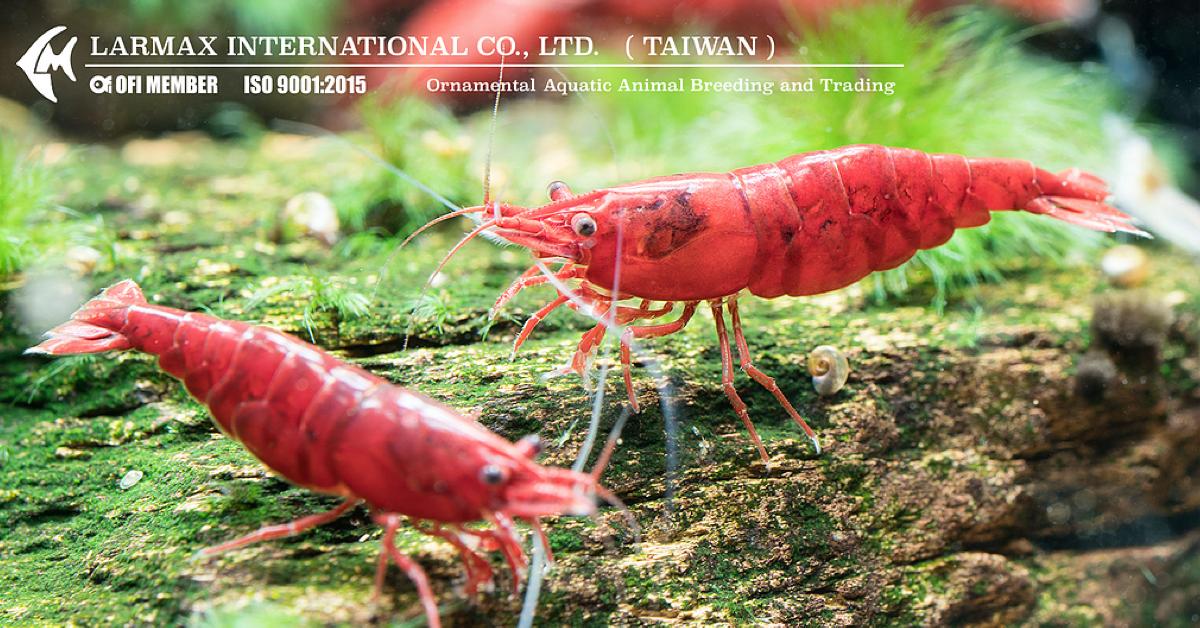
(6) Bloody Mary
Chinese trade name: Bloody Mary
Common names: blood sugar red shrimp
Scientific name: Neocaridina davidi var. "Bloody Mary"
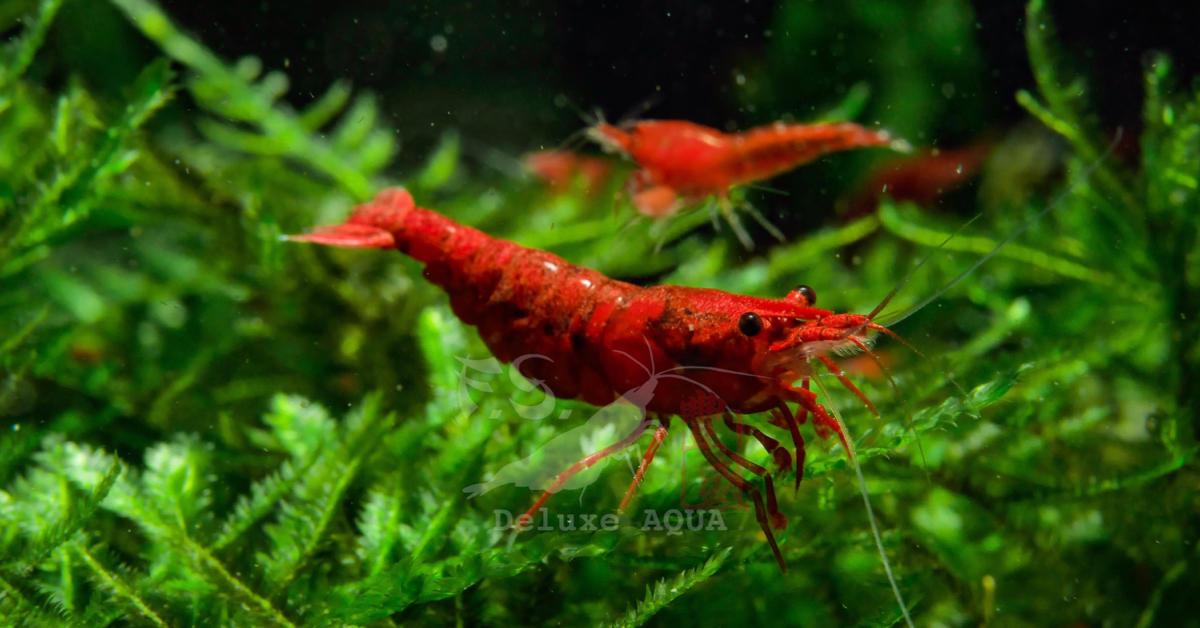
(7) Bloody Mary (second generation)
Chinese trade name: Bloody Mary (second generation)
Common names: 2ed bloody Mary shrimp
Scientific name:
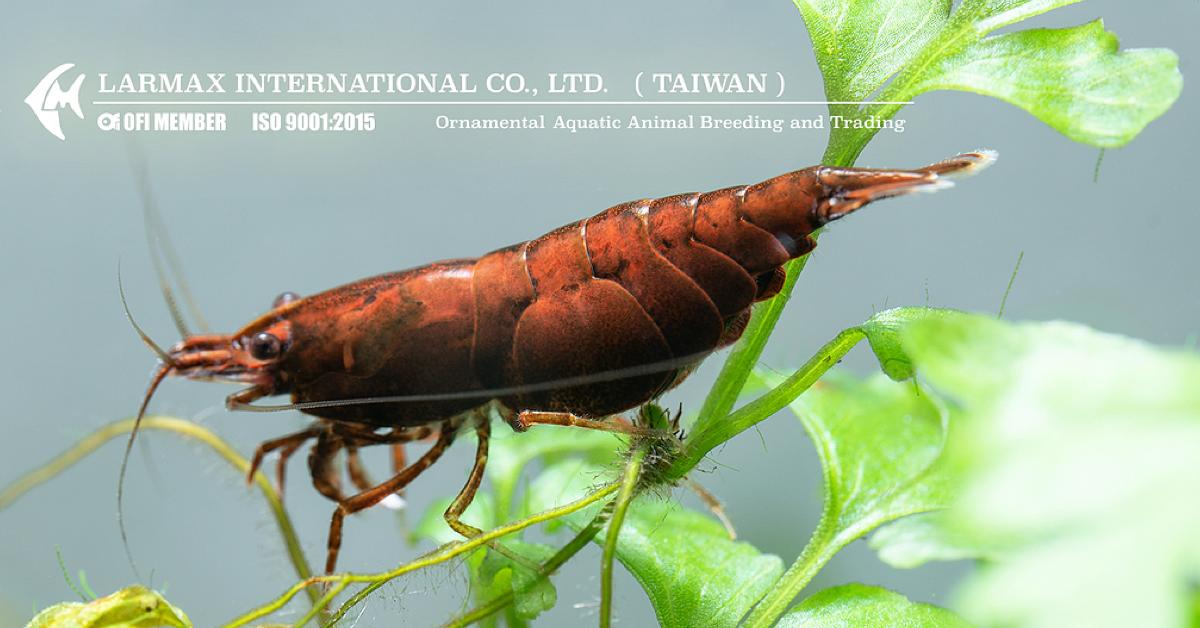
(8) Red onyx
Chinese trade name: red onyx
Common names: red onyx shrimp
Scientific name:
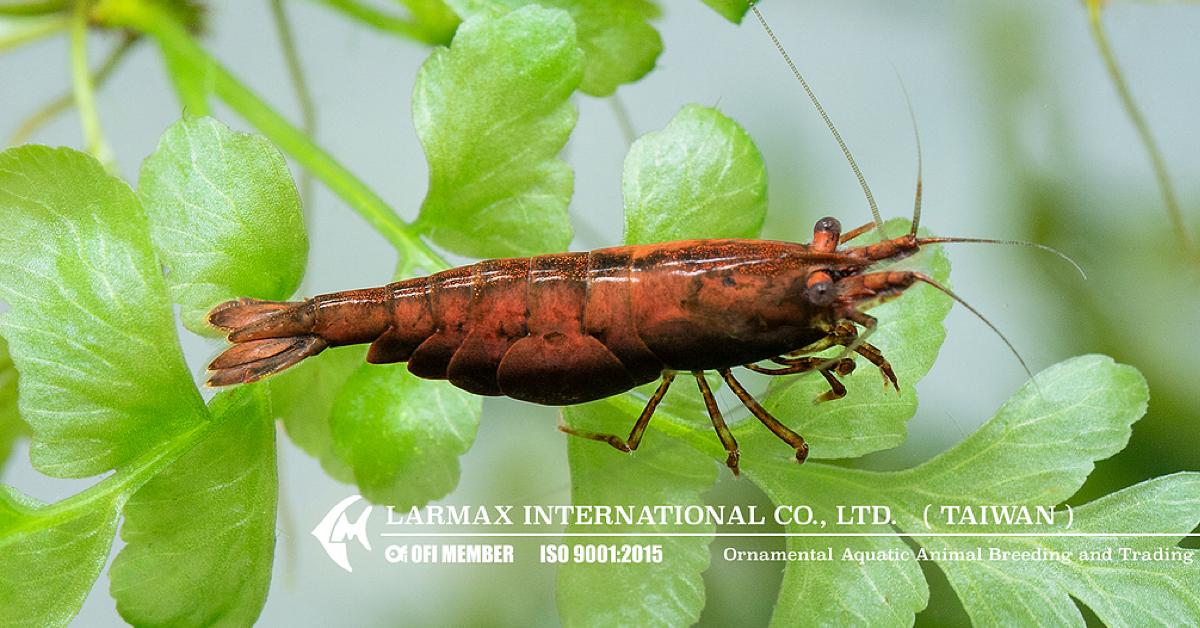
(9) Sunkist / grapefruit
Chinese trade name: Sunkist / grapefruit
Common names: sakura shrimp、チェリーシュリンプ
Scientific name: Neocaridina heteropoda var. orange、Neocaridina davidi var. "Sunkist"
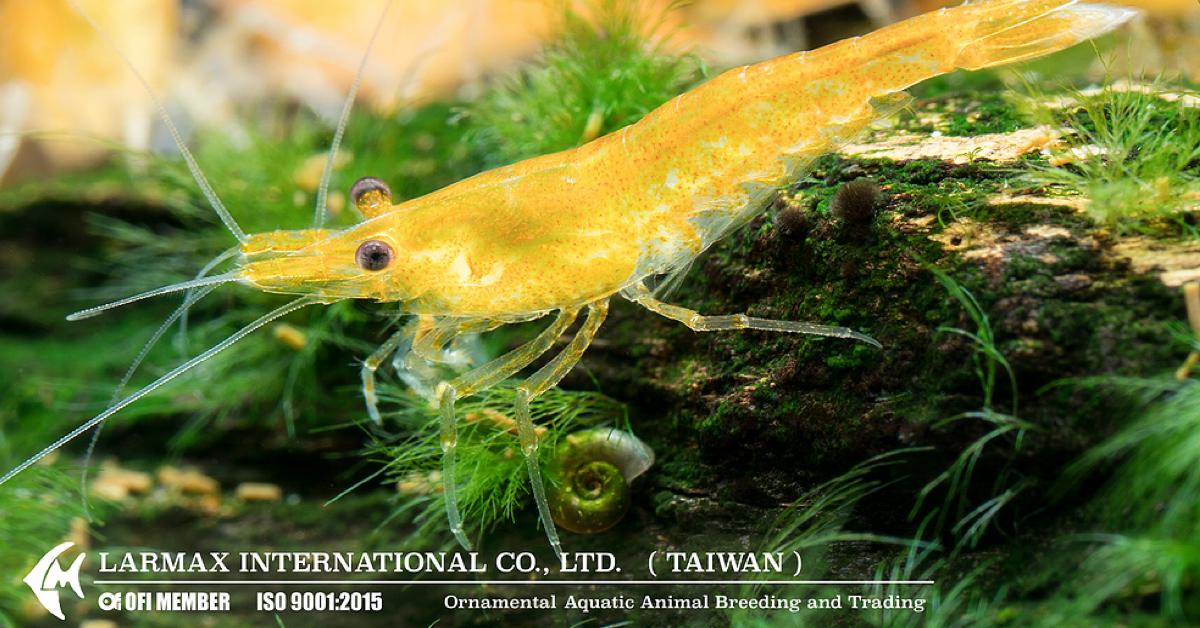
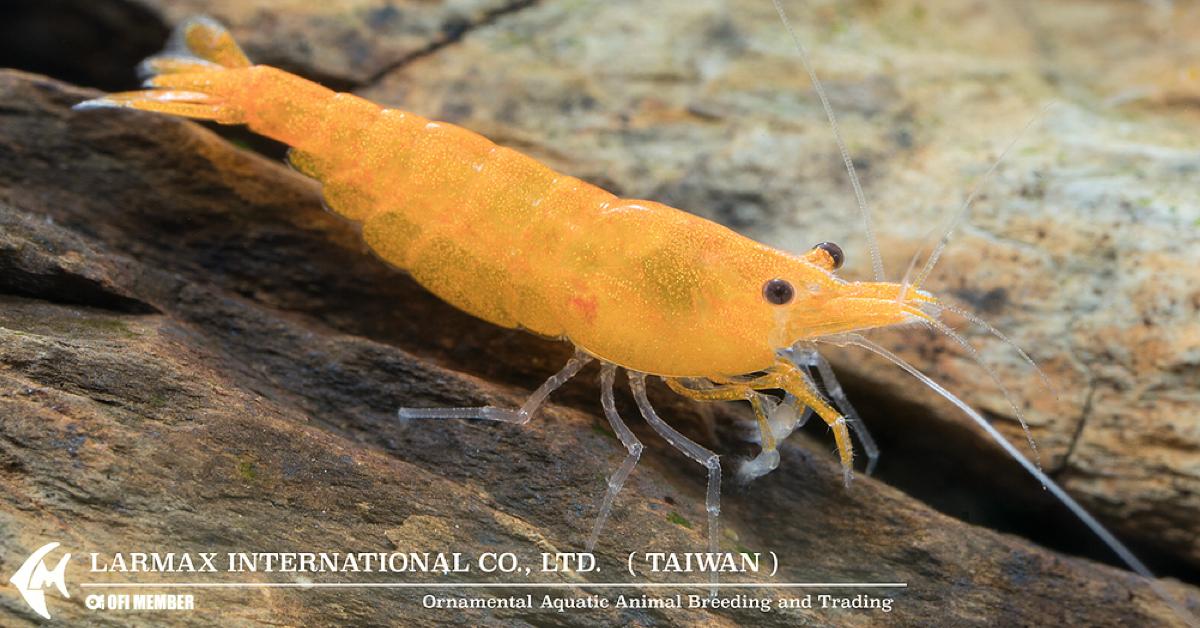
(10) Blood-orange Sunkist
Chinese trade name: blood-orange Sunkist
Common names: Grapefruit
Scientific name:
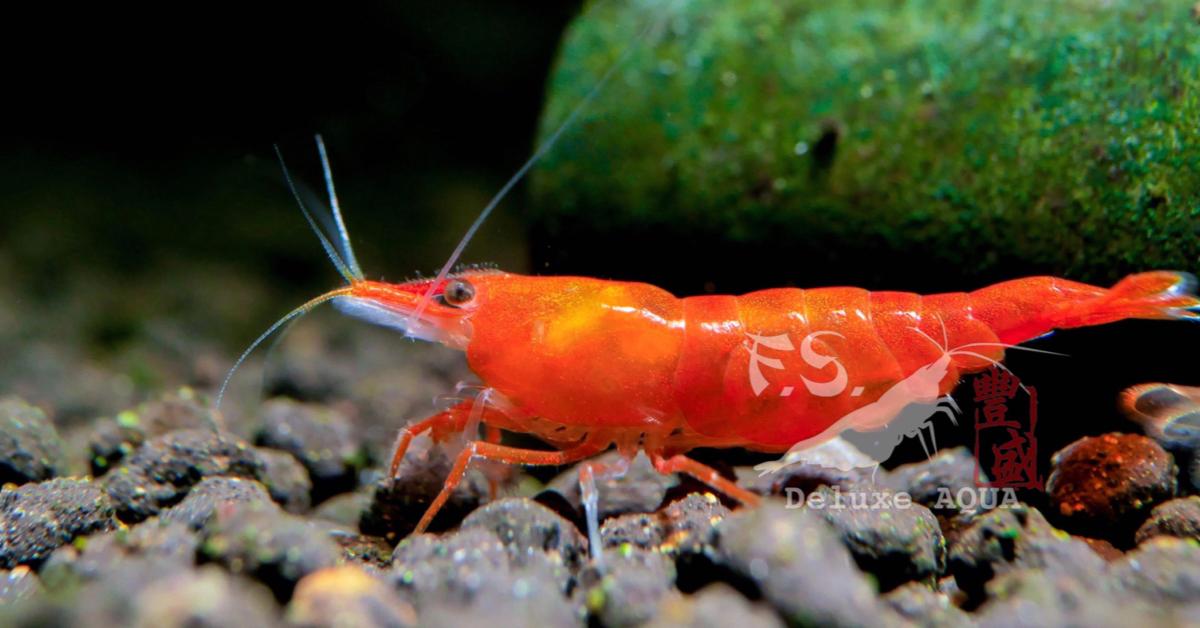
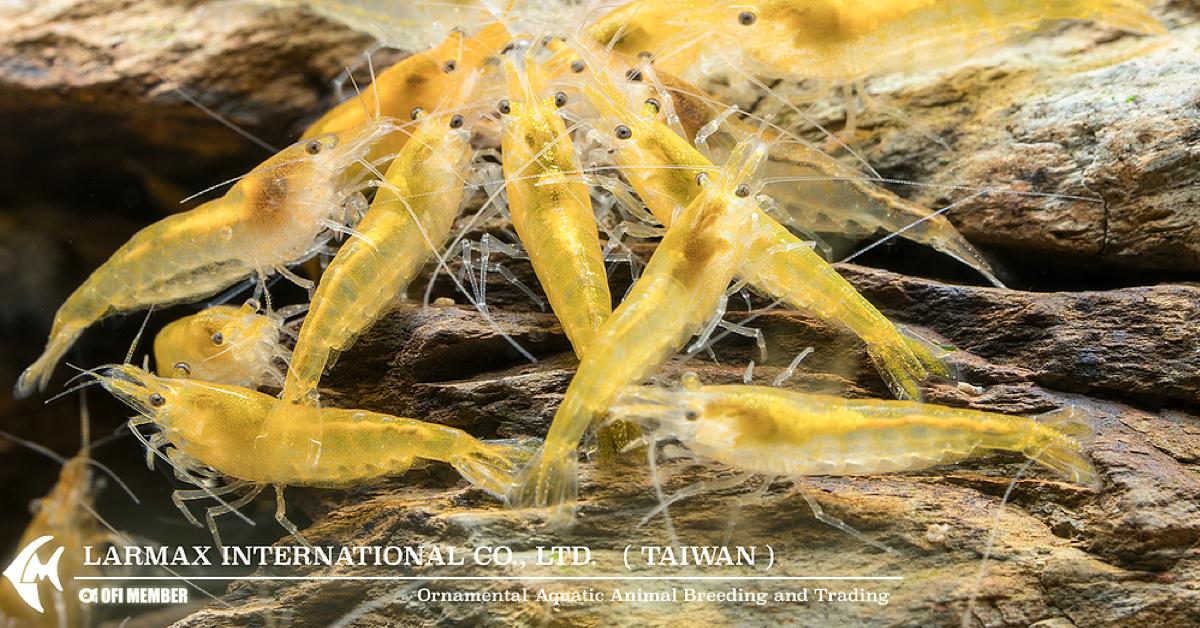
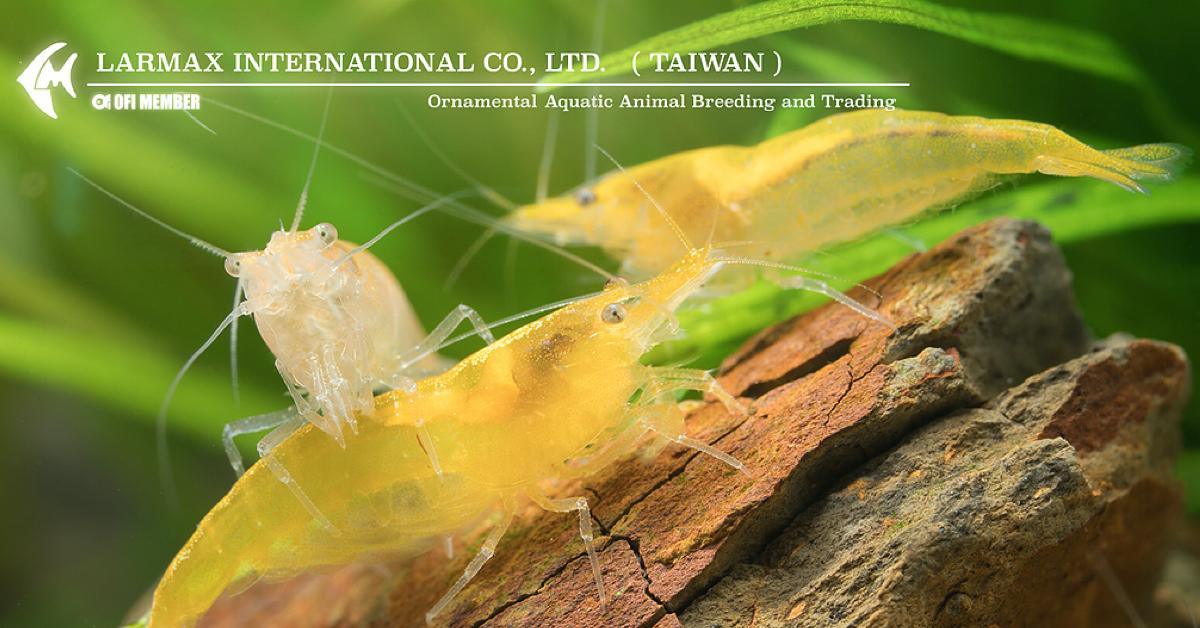
(11) Golden / yellow shrimp
Chinese trade name: golden shrimp
Common names: gold shrimp、イエローチェリーシュリンプ、イエローチェリーシュリンプ
Scientific name: Neocaridina davidi var. "Gold"
(12) Golden-backed yellow shrimp
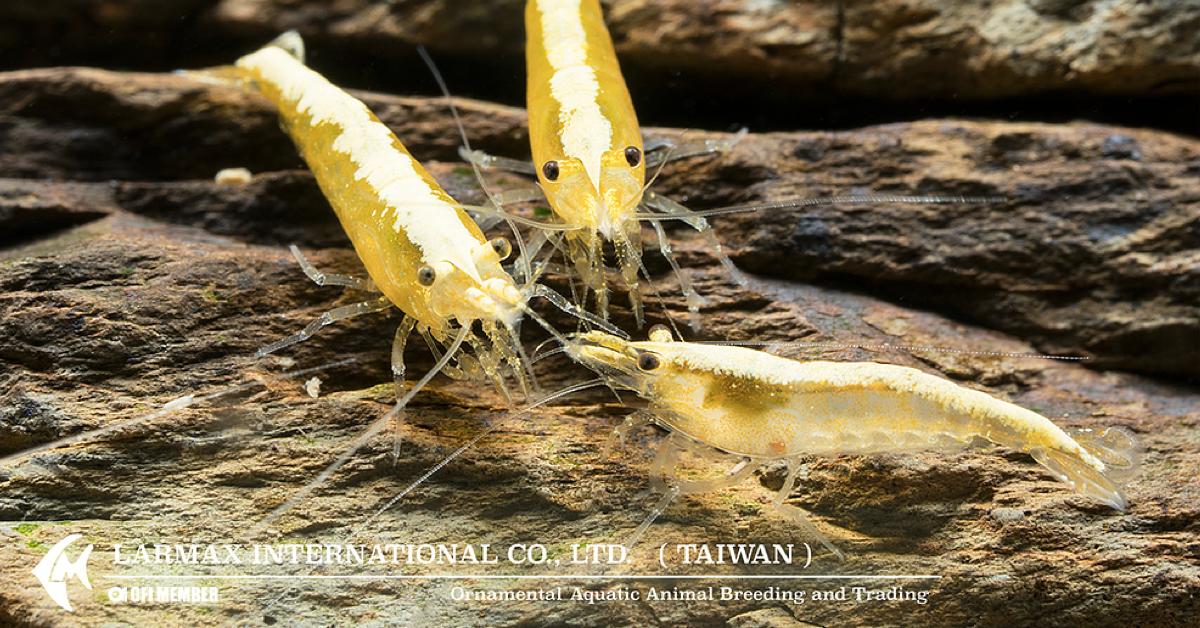
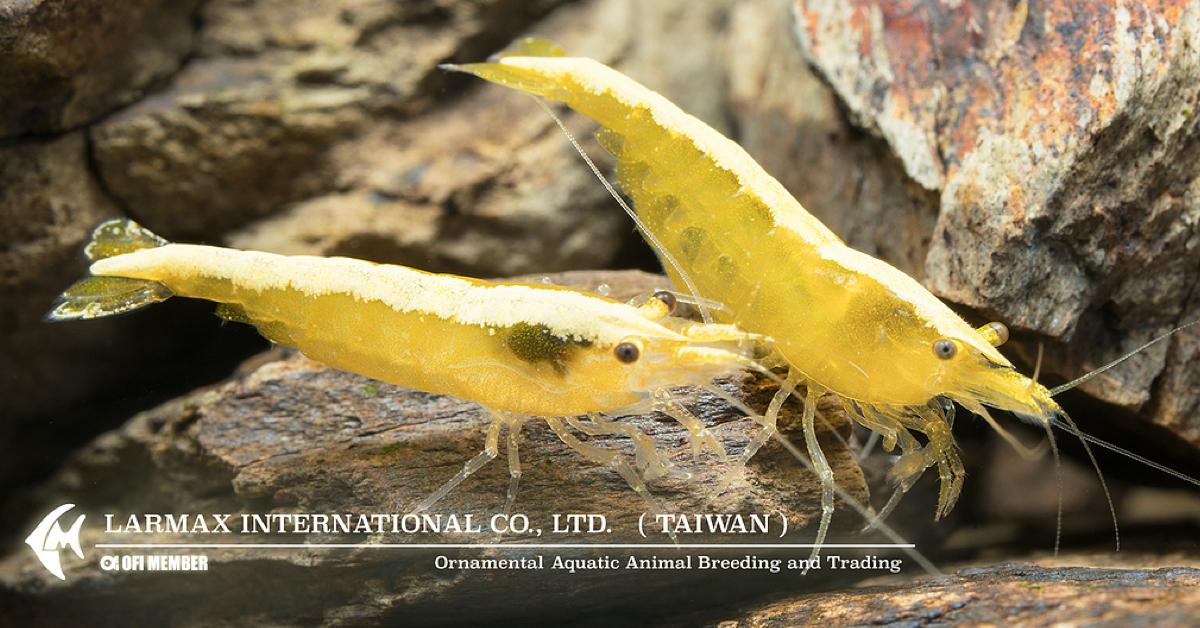
Chinese trade name: golden-backed yellow shrimp
Common names: ultra gold shrimp、ゴールデンバックイエローチェリー
Scientific name: Neocaridina denticulata sinensis var. yellow、Neocaridina davidi var. "Ultra Gold"
(13) 24K golden shrimp
Chinese trade name: 24K golden shrimp
Common names: 24K gold shrimp
Scientific name: Neocaridina denticulata sinensis var. yellow
(14) Green jelly
Chinese trade name: green jelly
Common names: green jelly shrimp
Scientific name:
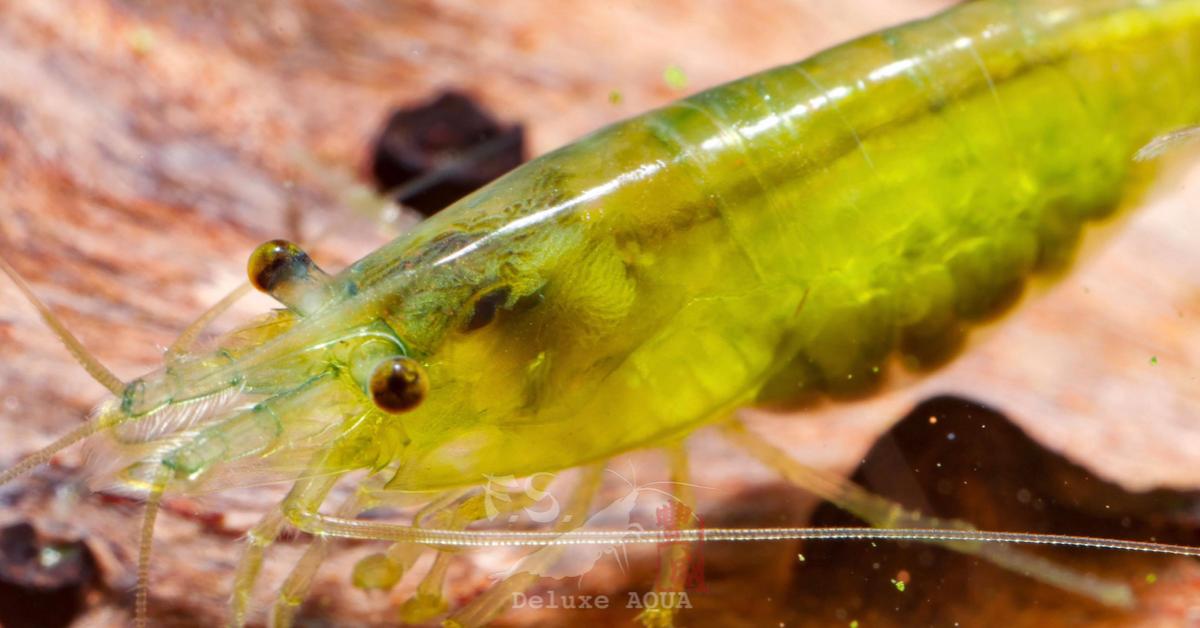
(15) Emerald green
Chinese trade name: emerald green
Common names: emerald green shrimp
Scientific name:
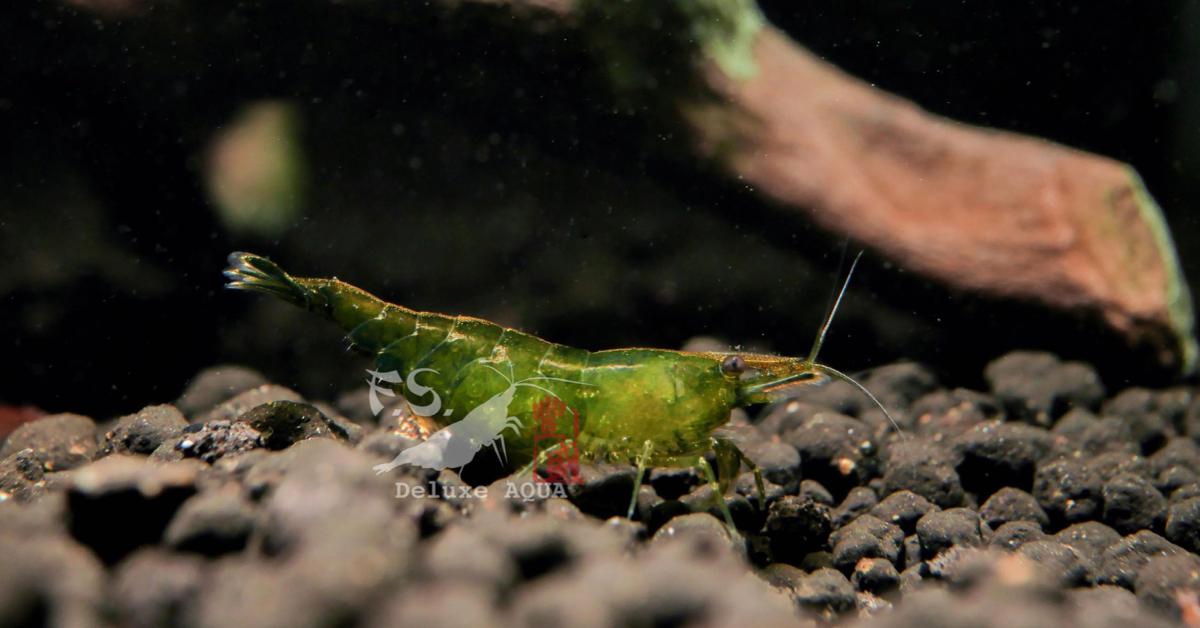
(16) Green jade (green sprite)
Chinese trade name: green jade (green sprite)
Common names: green jade shrimp
Scientific name: Neocaridina heteropoda var. green、Neocaridina davidi var. "Green Jade"
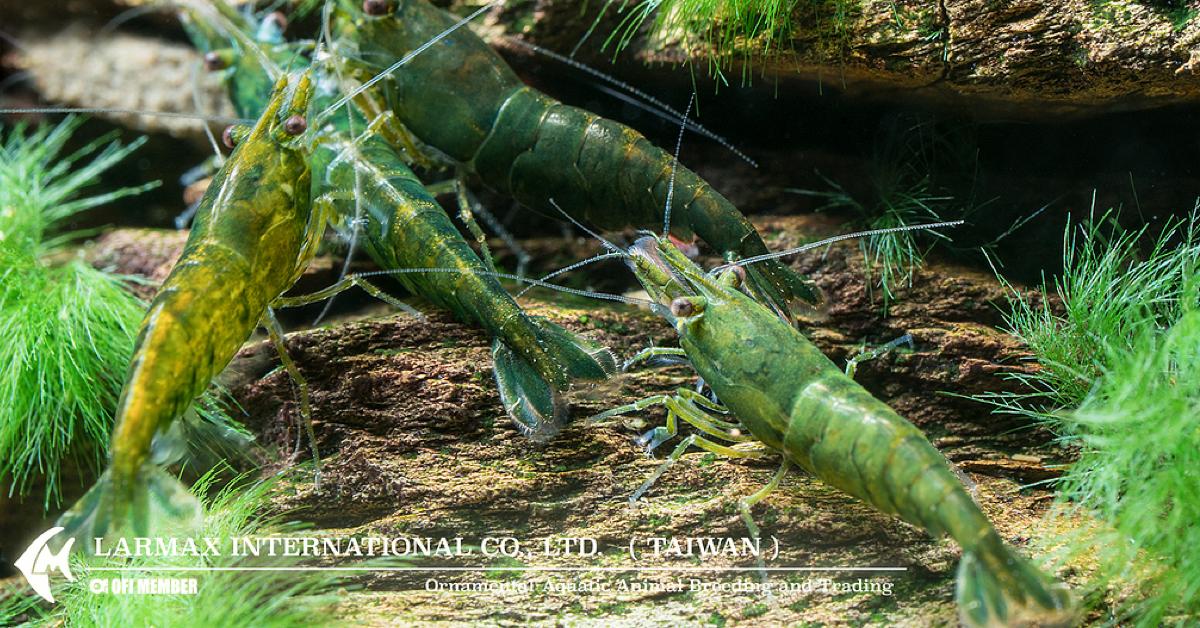
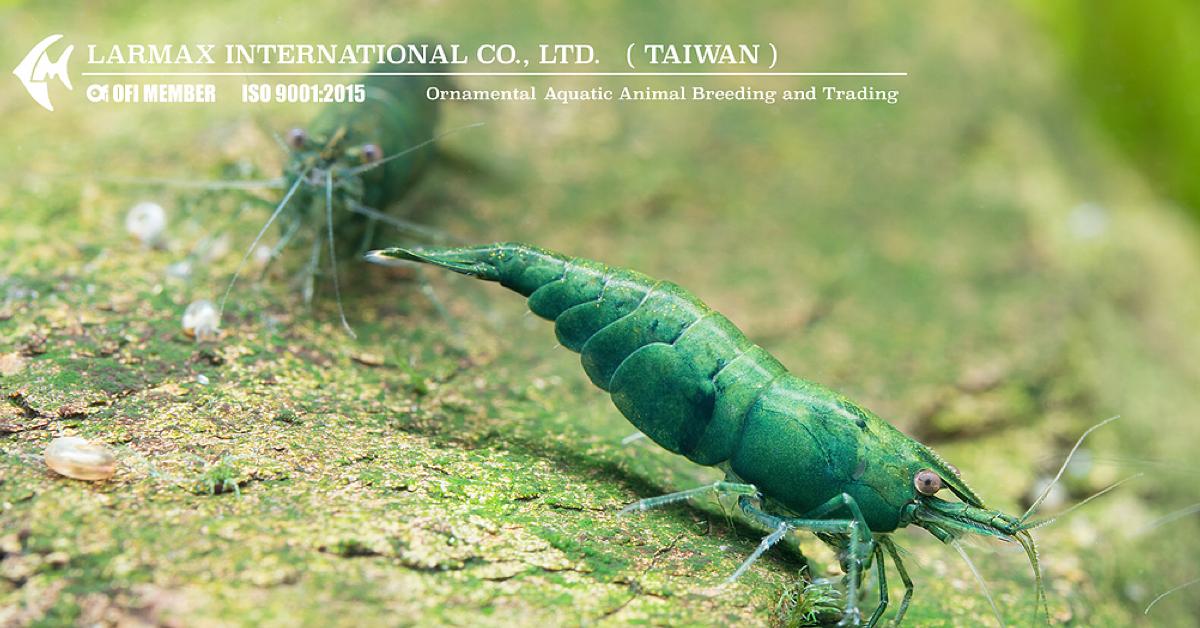
(17) Malachite green
Chinese trade name: malachite green
Common names: malachite green shrimp
Scientific name:
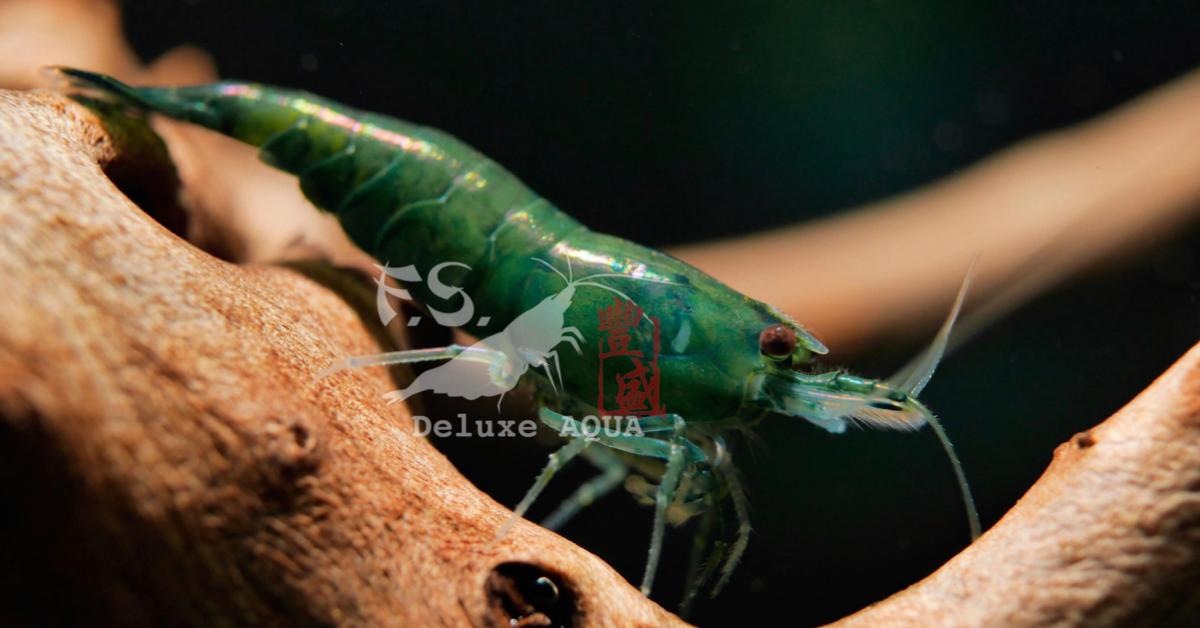
(18) Indian green / Babaulti shrimp
Chinese trade name: Indian green / Babaulti shrimp
Common names:
Scientific name: Caridina babaulit
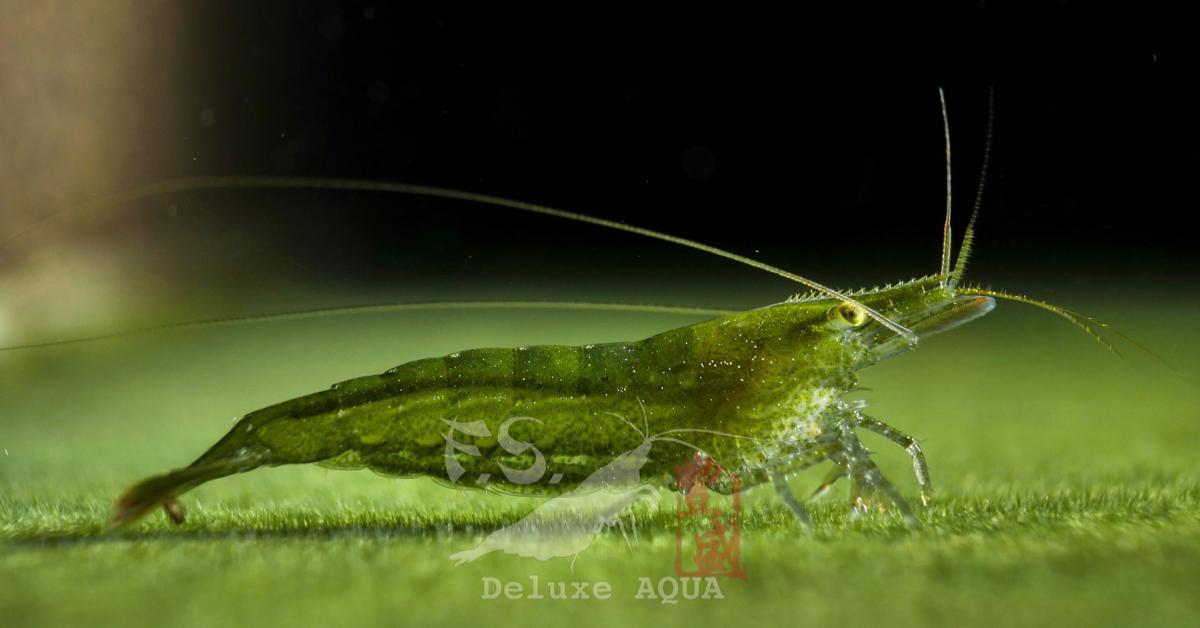
(19) Blue jelly
Chinese trade name: blue jelly
Common names: blue jelly shrimp、ブルージェリーシュリンプ
Scientific name:
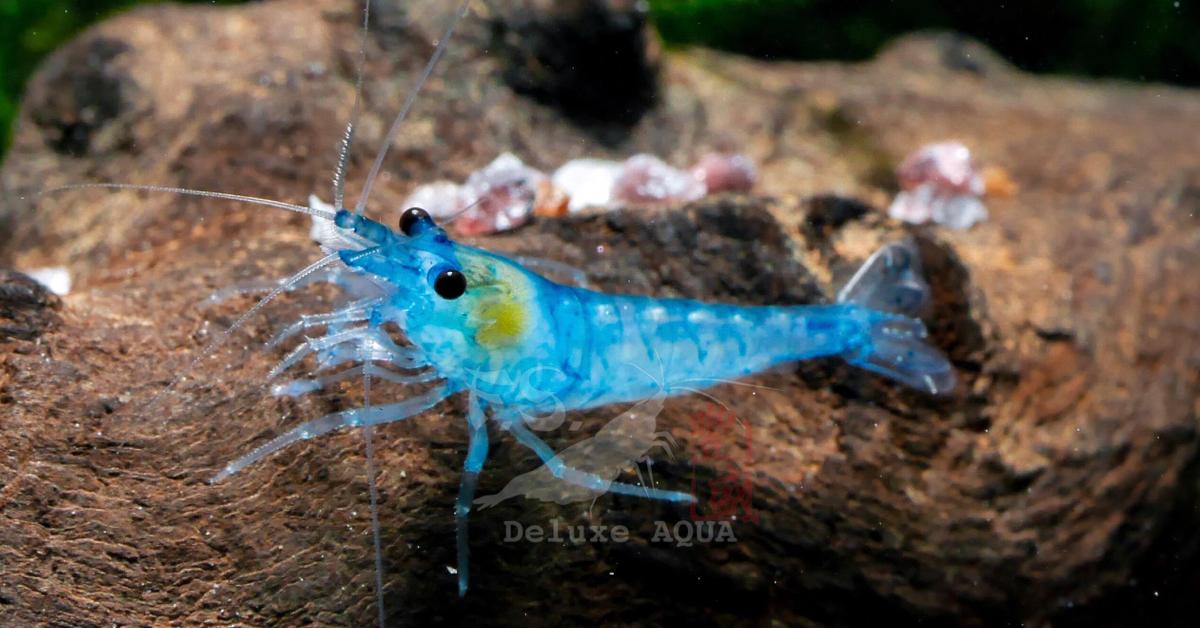
(20) Blue velvet
Chinese trade name: blue velvet
Common names: blue velvet shrimp
Scientific name: Neocaridina denticulata sinensis var. blue、Neocaridina davidi var. blu、Neocaridina davidi var. "Blue Velvet"
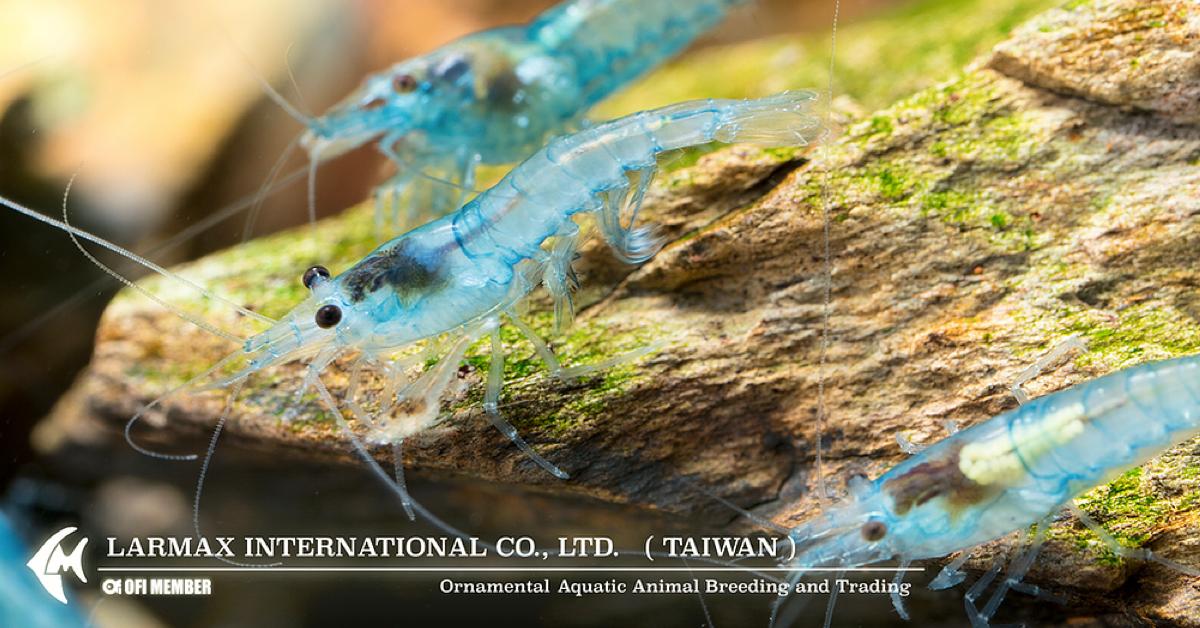
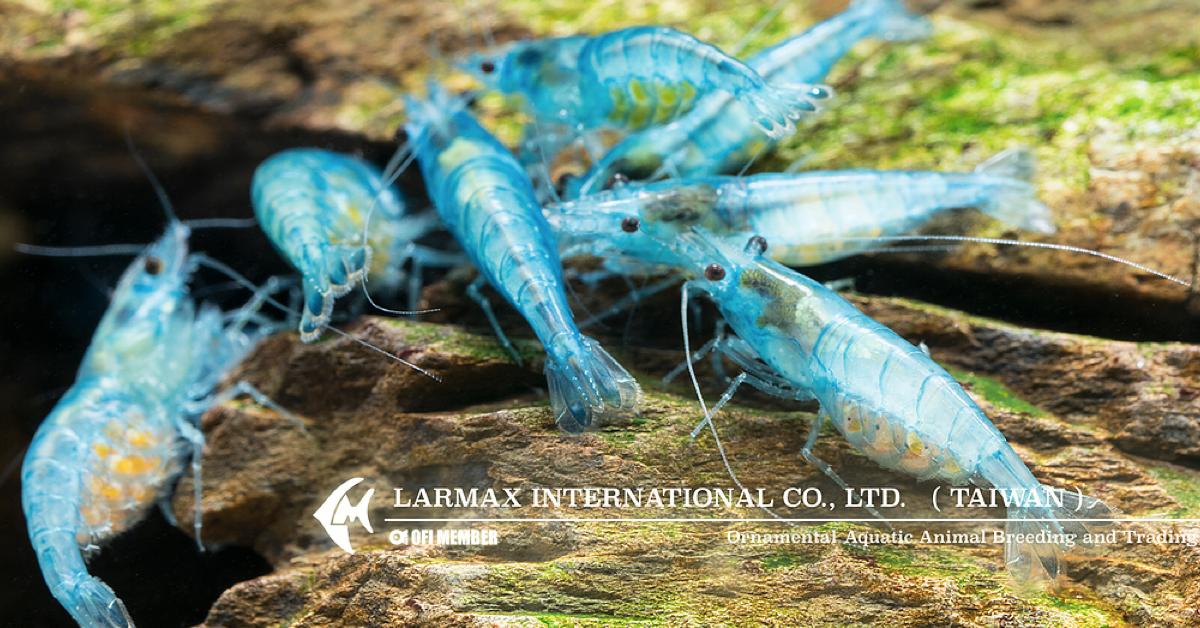
(21) Dream / ultra blue velvet
Chinese trade name: dream blue velvet
Common names: ultra blue shrimp、ベルベットブルーシュリンプ ダークブル
Scientific name: Neocaridina davidi var. "Ultra Blue"
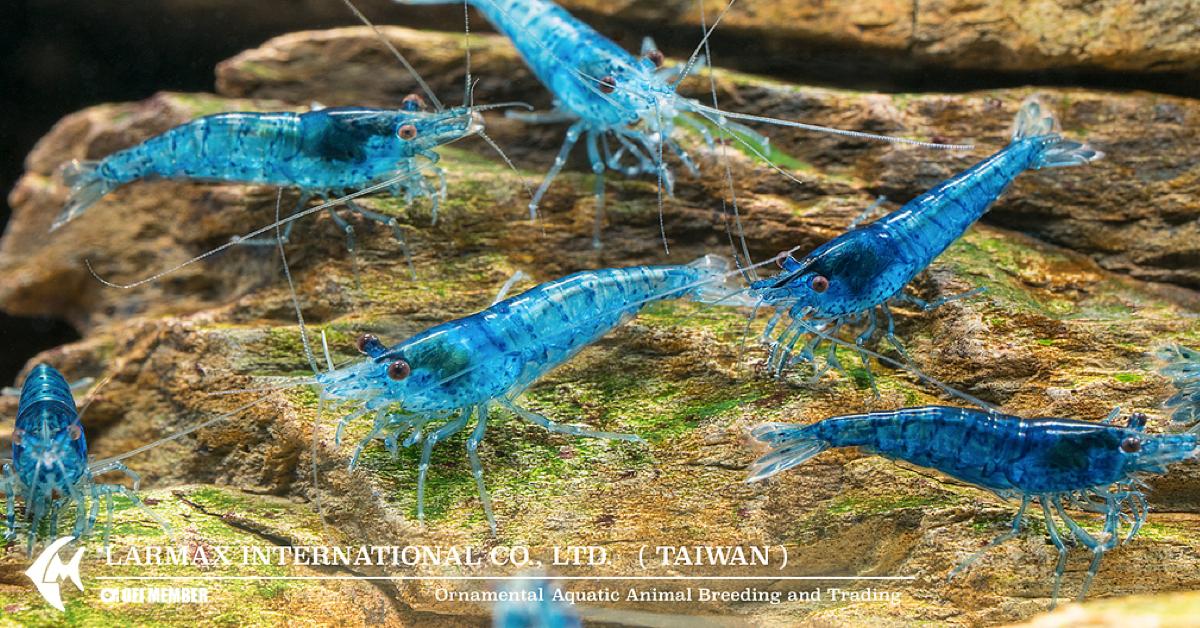
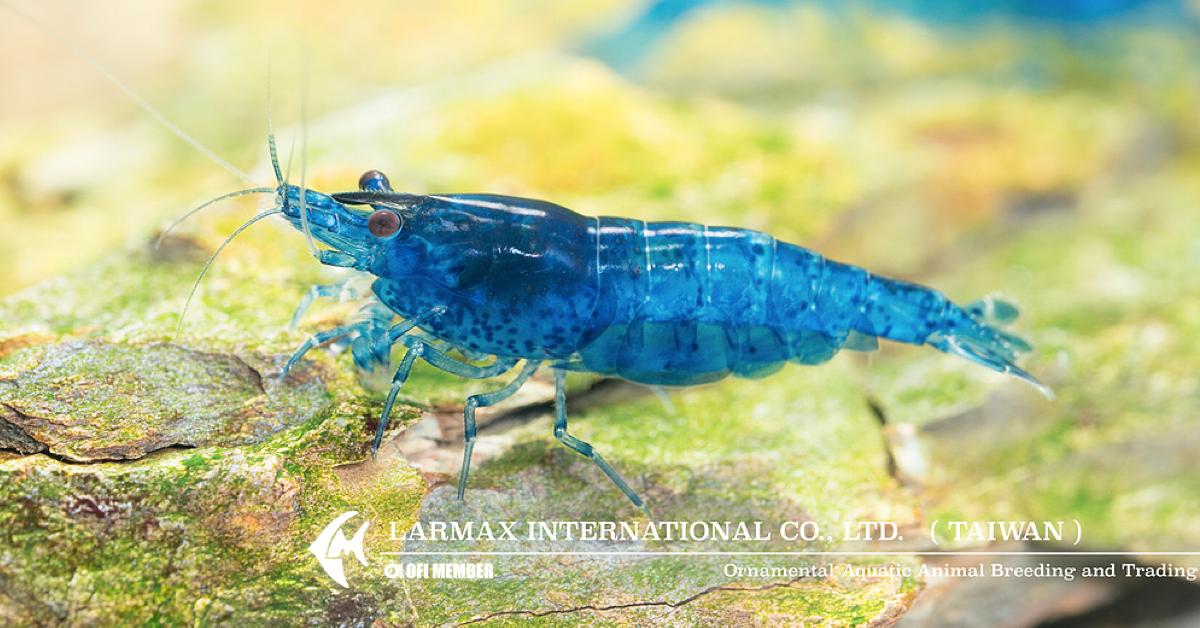
(22) Sapphire
Chinese trade name: sapphire
Common names: sapphire shrimp
Scientific name: Neocaridina davidi var. "Sapphire"
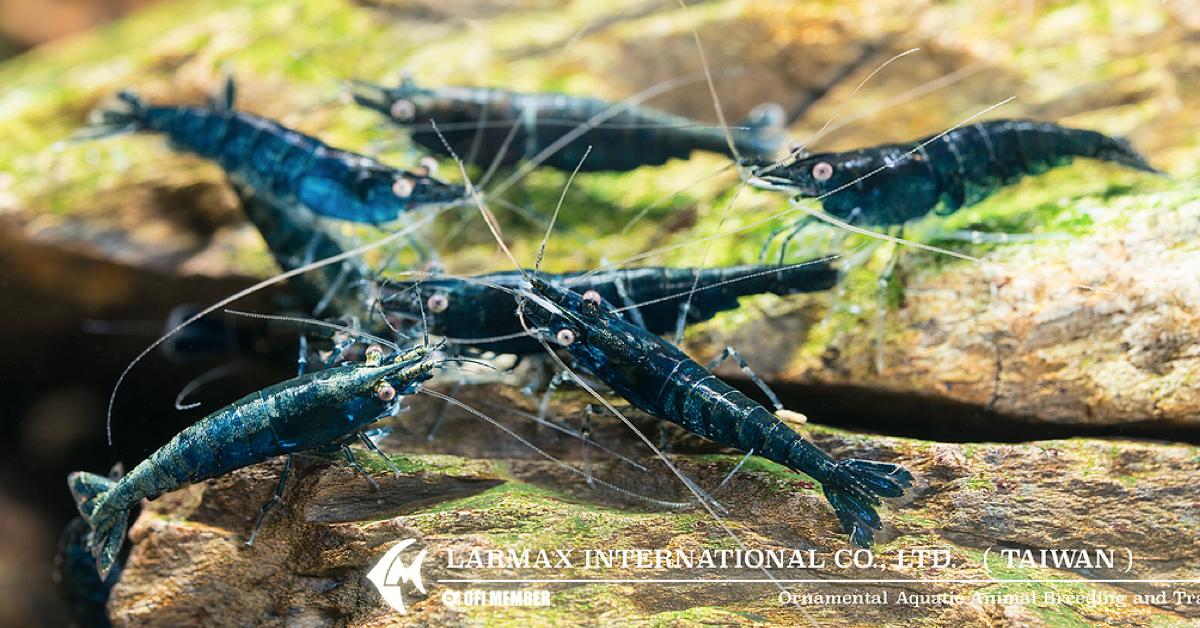
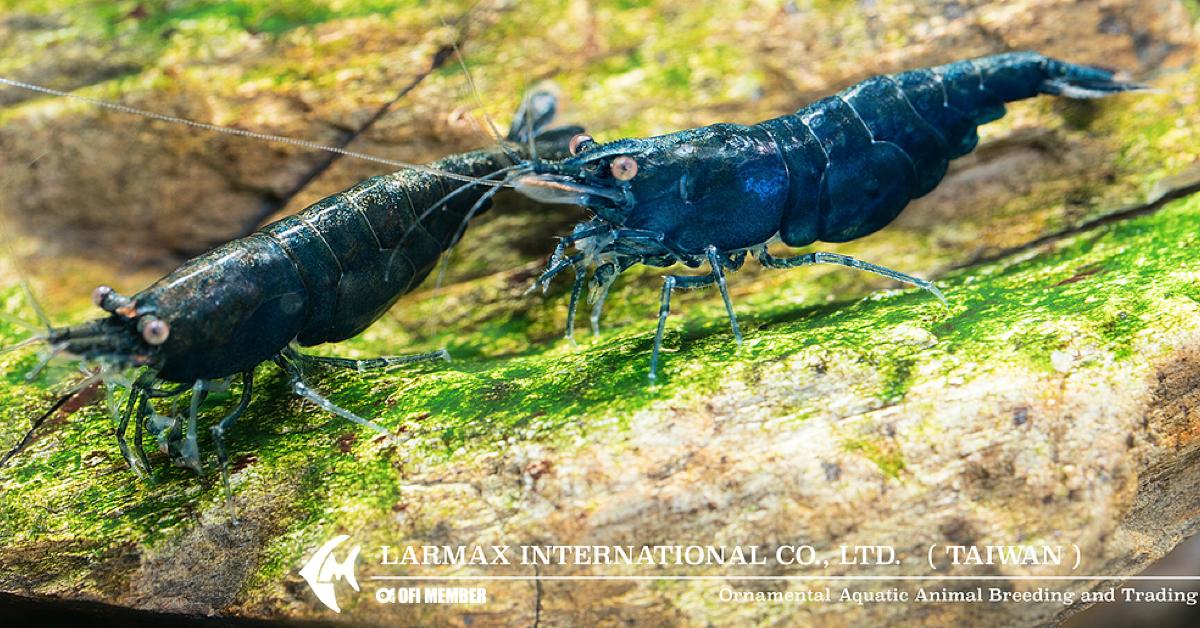
(23) Blue diamond
Chinese trade name: blue diamond
Common names: blue diamond shrimp
Scientific name:
(24) Golden-backed blue diamond
Chinese trade name: golden-backed blue diamond
Common names: blue diamond shrimp
Scientific name:
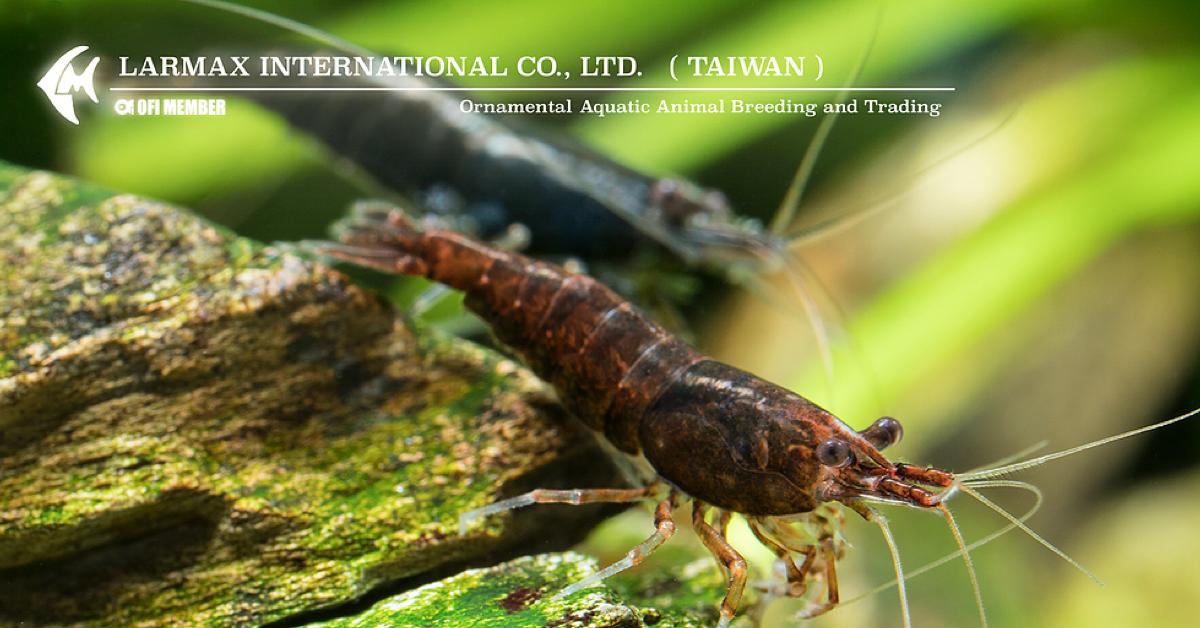
(25) Chocolate shrimp
Chinese trade name: chocolate shrimp
Common names: chocolate shrimp、チョコレートシュリンプ
Scientific name: Neocaridina denticulata sinensis var. chocolate、Neocaridina davidi var. "Chocolate"
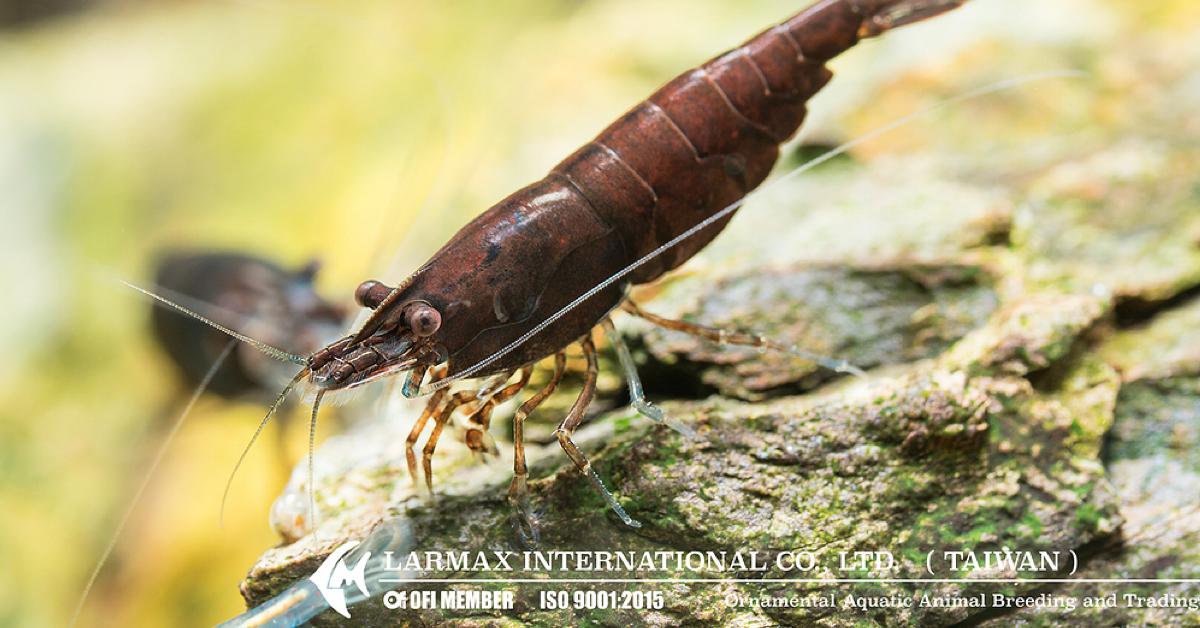
(26) Cocoa shrimp
Chinese trade name: cocoa shrimp
Common names: cocoa shrimp
Scientific name:
Scientific name:
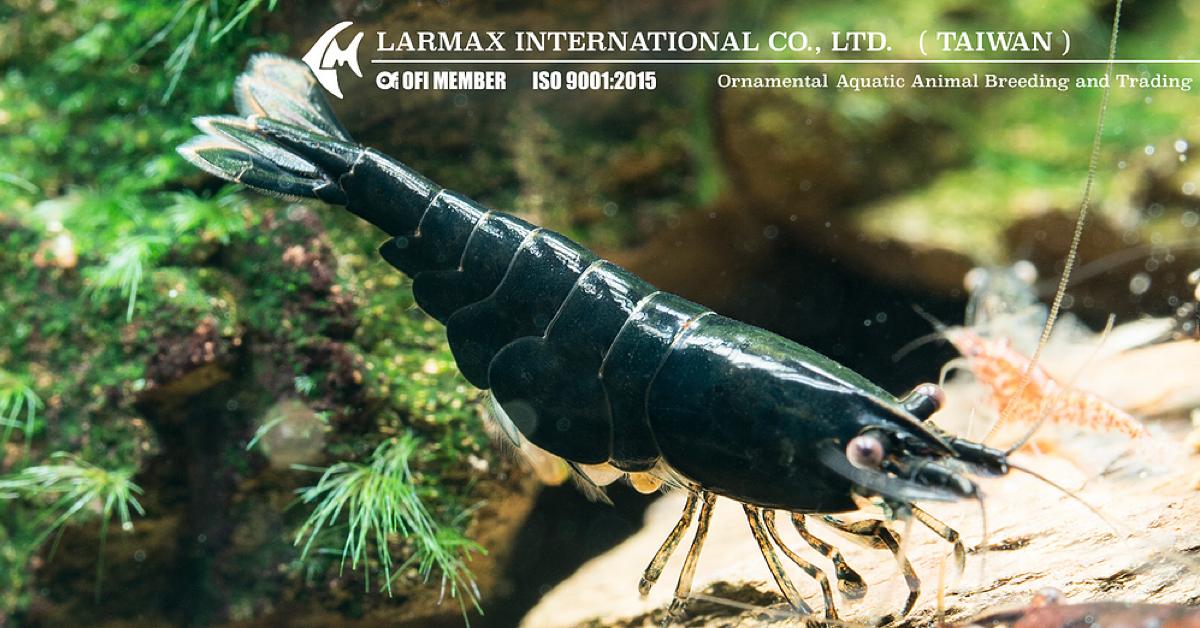
(27) Black King Kong
Chinese trade name: Black King Kong
Common names: black kingkong shrimp
Scientific name:
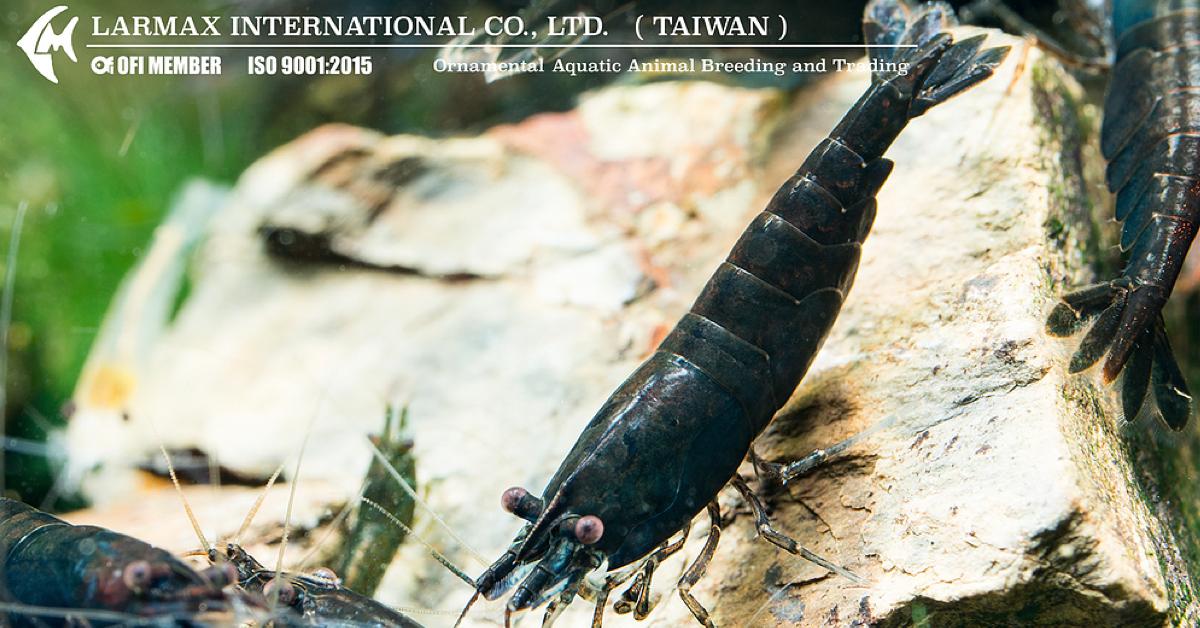
(28) Snowball shrimp
Chinese trade name: snowball shrimp
Common names: snow ball shrimp、スノーボールシュリンプ、スノーホワイトシュリンプ
Scientific name: Neocaridina davidi var. "Snow Ball"、Neocaridina sp. (cf. zhejiangensis var.white)、Neocaridina cf zhejiangensis var. white、Neocaridina cf zhangjiajiensis var. White
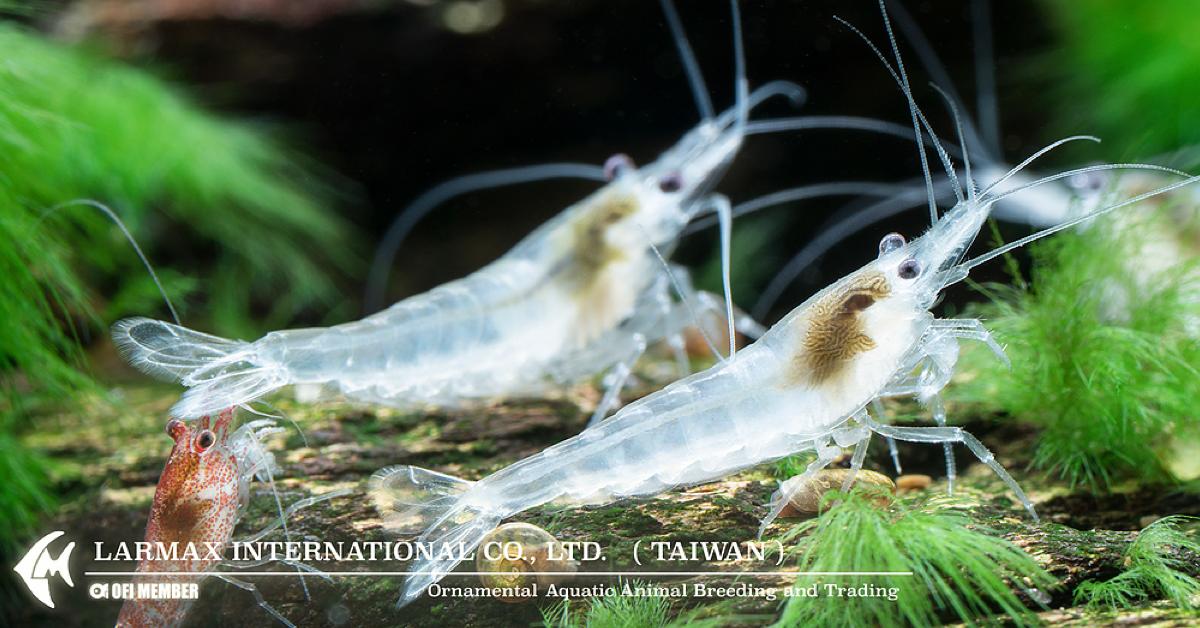
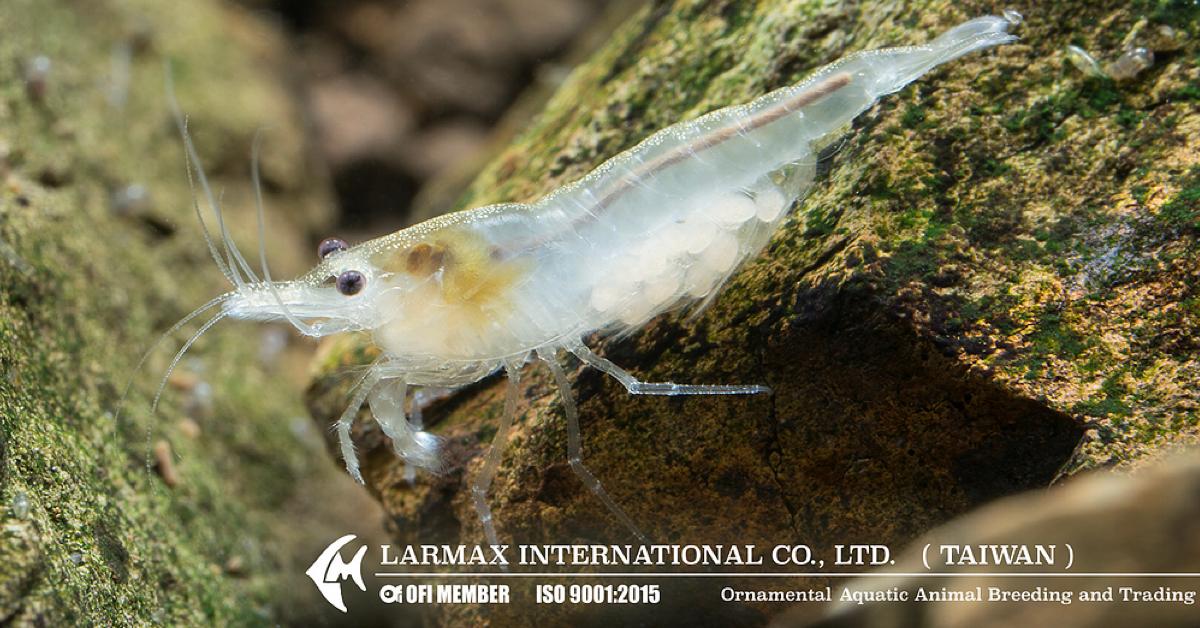
(29) Snow White
Chinese trade name: Snow White
Common names: snow white shrimp、スノーホワイトシュリンプ
Scientific name:
(30) Red rili
Chinese trade name: red rili
Common names: red rili shrimp
Scientific name: Neocaridina heteropoda var. rili、Neocaridina davidi var. "Red Rili"
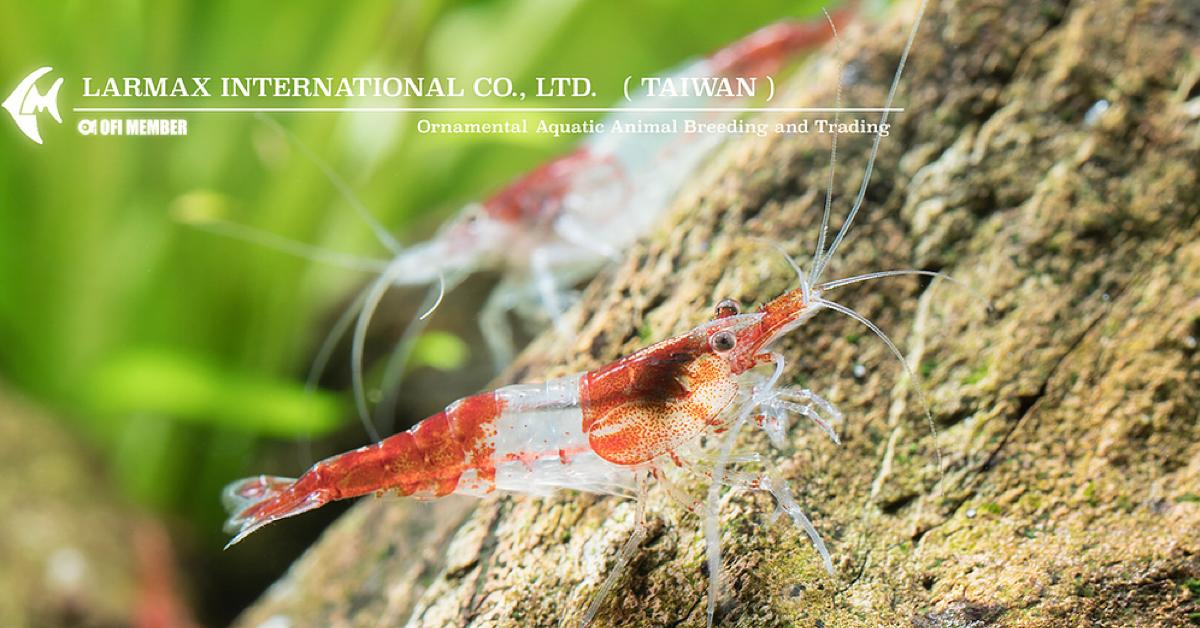
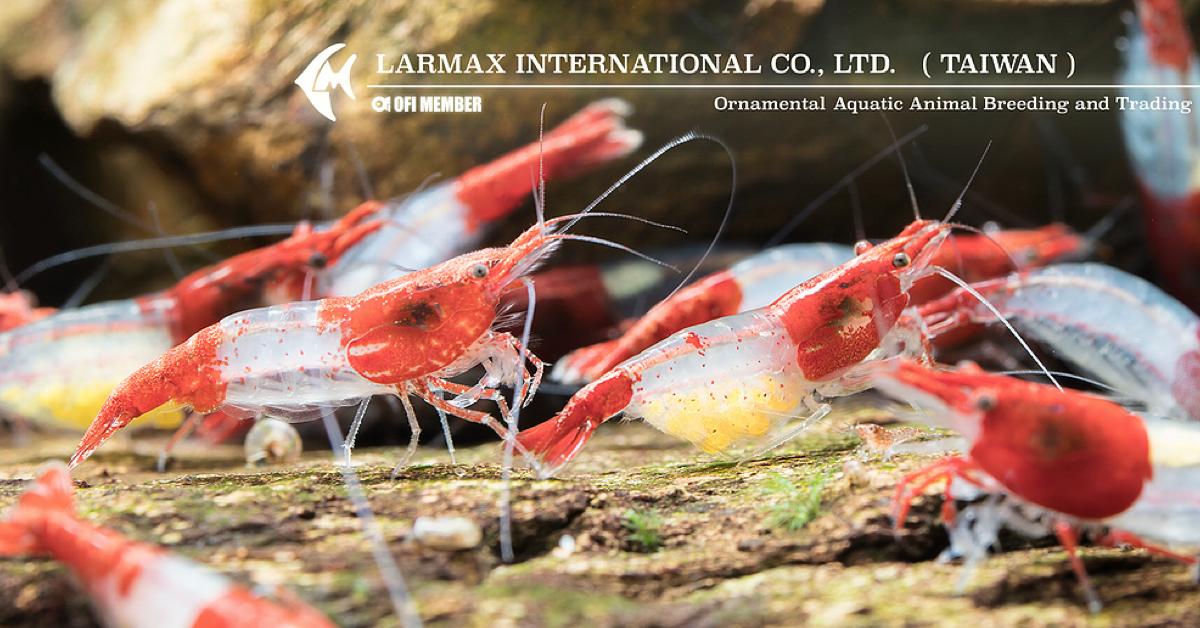
(31) Dragon shrimp
Chinese trade name: dragon shrimp
Common names: little red riding hood shrimp
Scientific name:
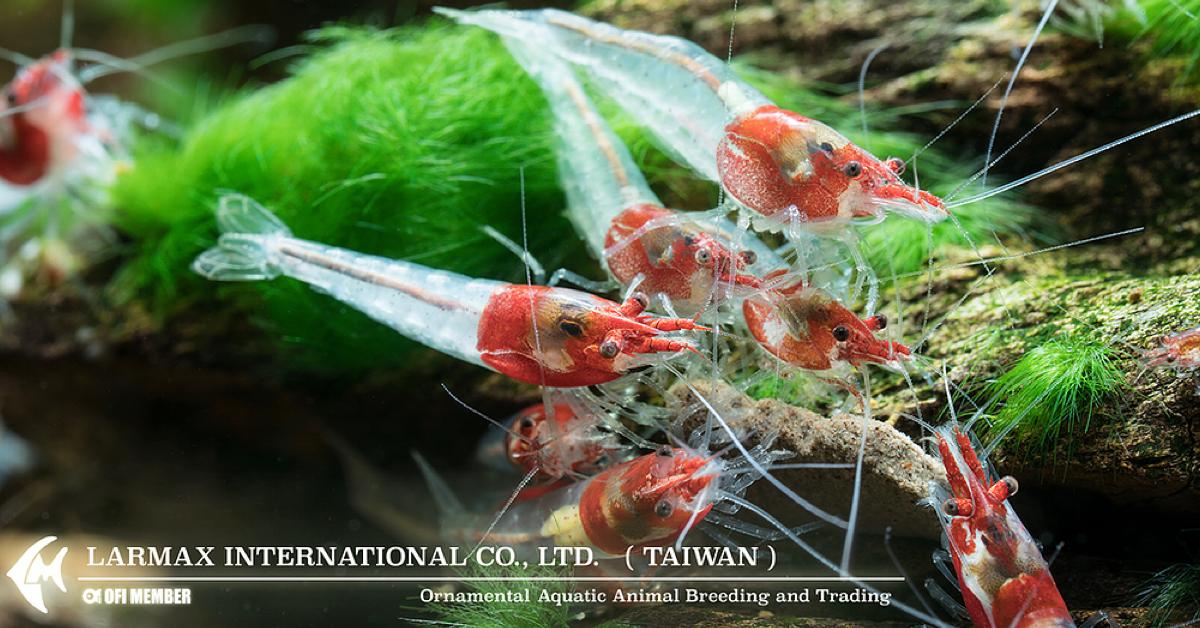
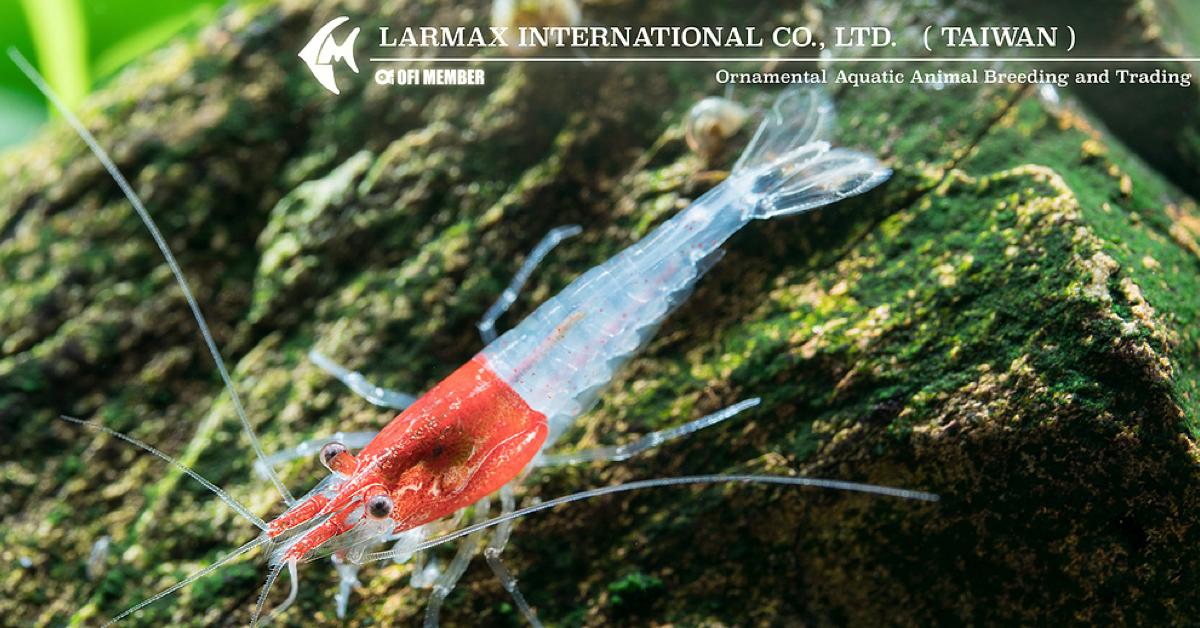
(32) Chocolate rili
Chinese trade name: chocolate rili
Common names: chocolate shrimp
Scientific name:
(33) Yellow rili
Chinese trade name: yellow rili
Common names: yellow rili shrimp
Scientific name:
(34) Orange rili
Chinese trade name: orange rili
Common names: orange rili shrimp
Scientific name:
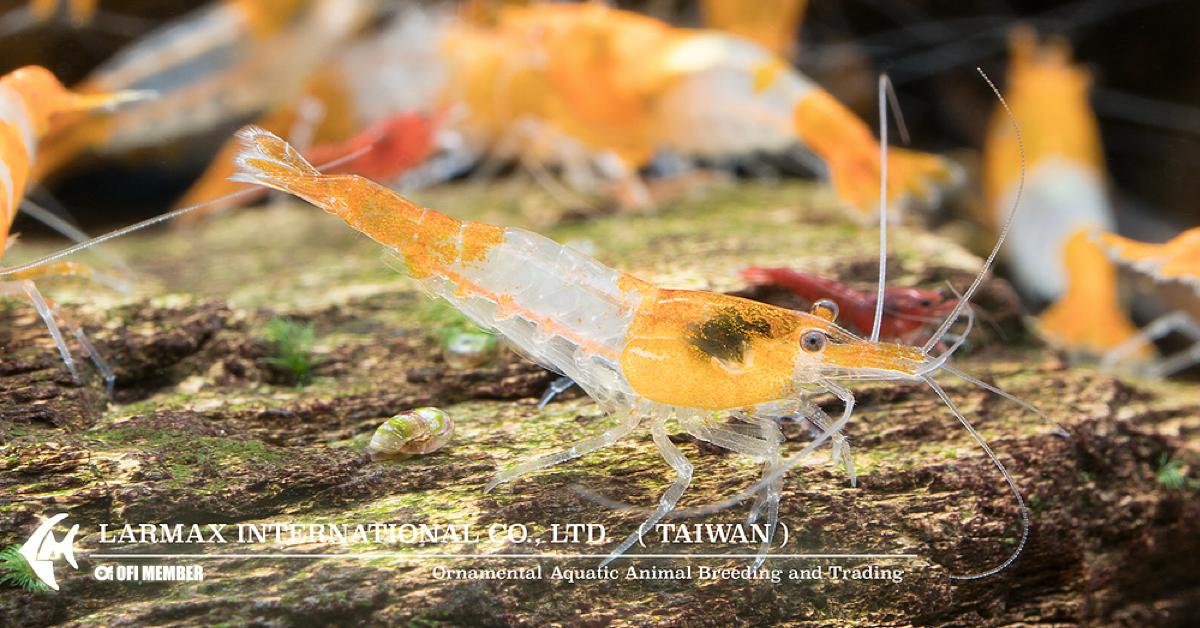
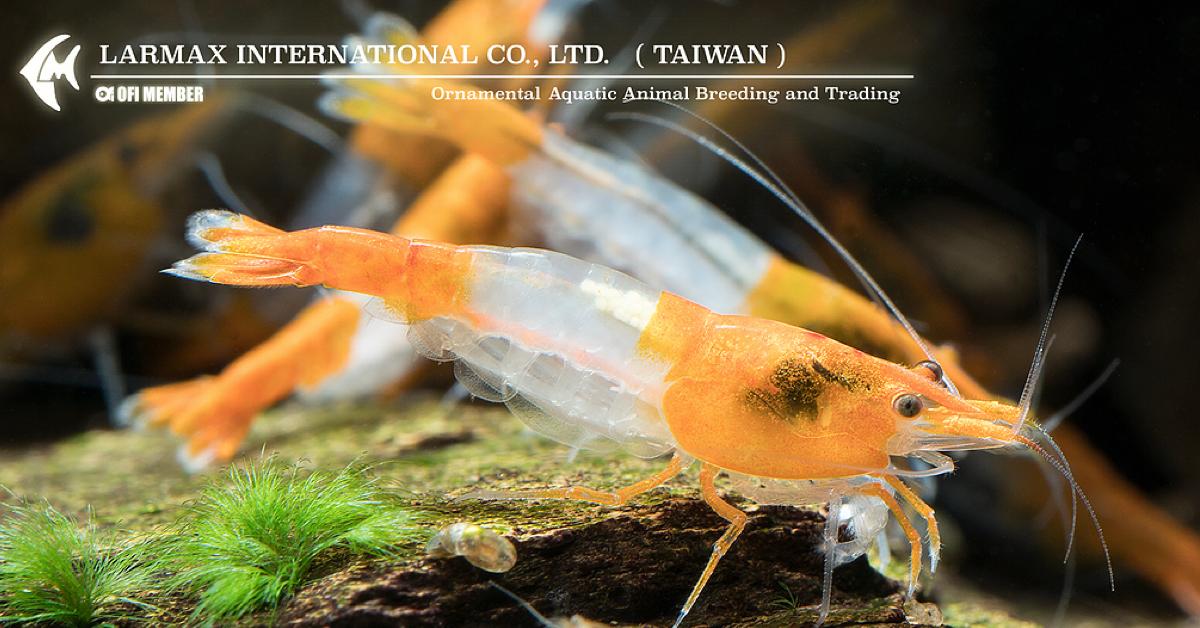
(35) Black rili
Chinese trade name: black rili
Common names: black rili shrimp、carbon rili shrimp、カーボンルリーシュリンプ
Scientific name: Neocaridina heteropoda var. rill
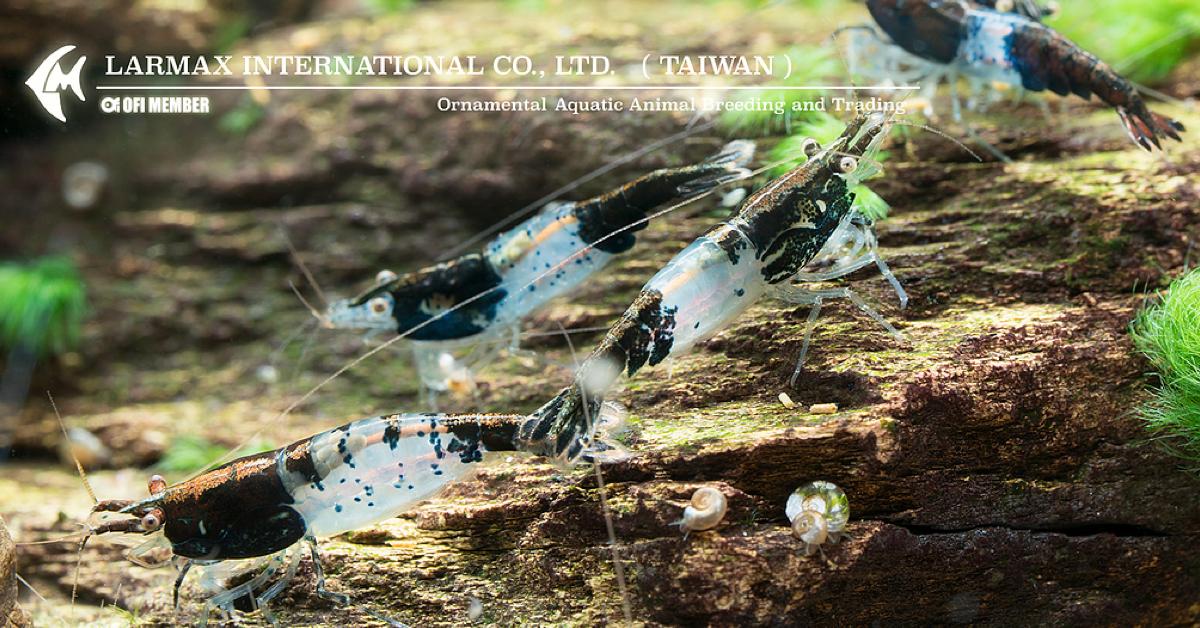
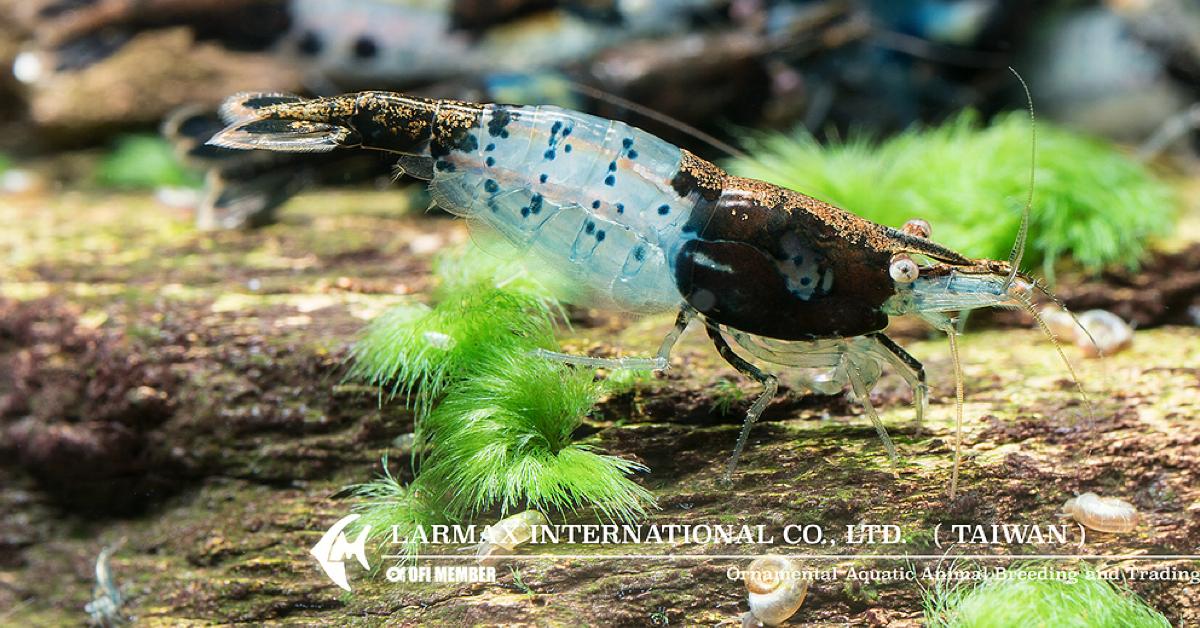
(36) Blue rili
Chinese trade name: blue rili
Common names: blue rili shrimp
Scientific name:
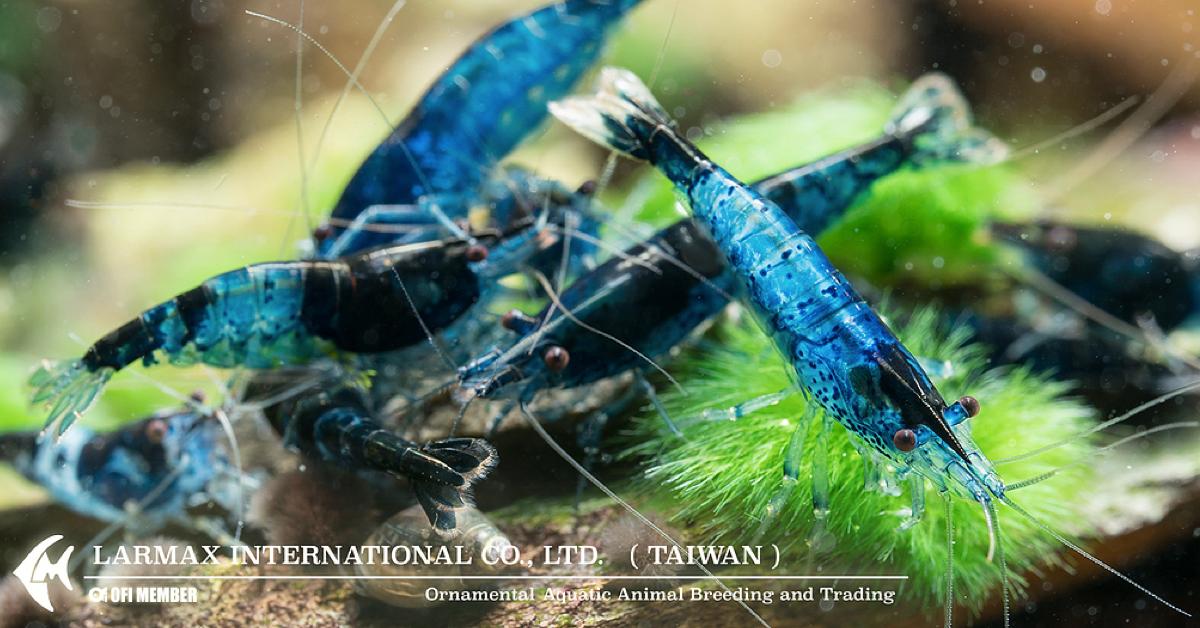
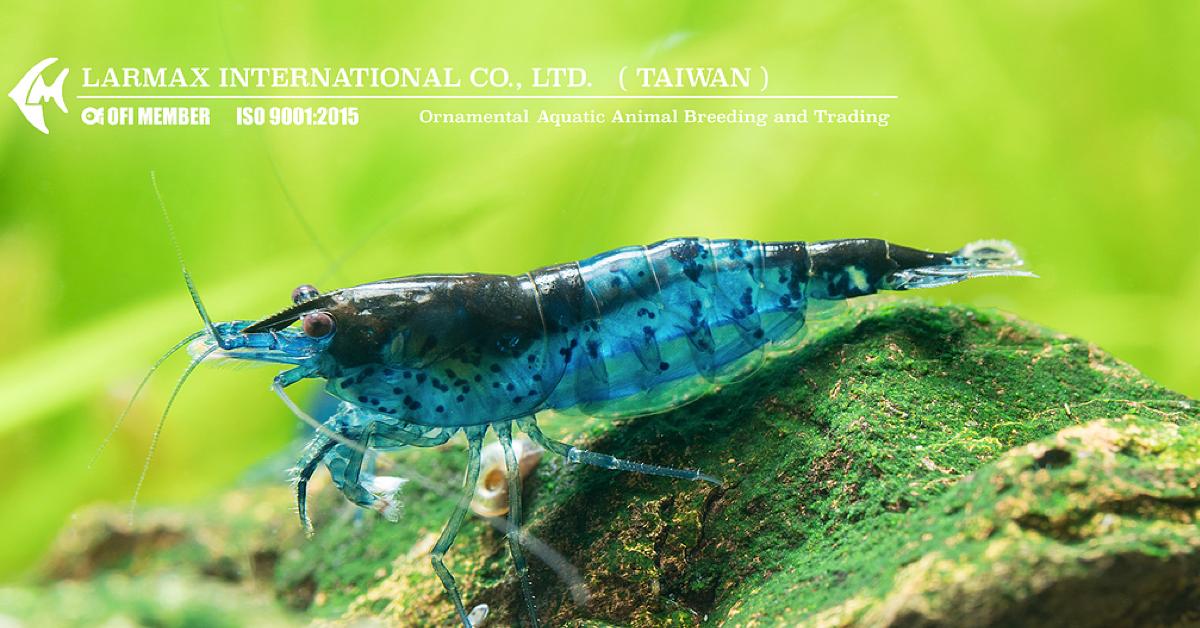
(37) Blue-black rili
Chinese trade name: blue-black rili
Common names: blue-black rili shrimp
Scientific name:
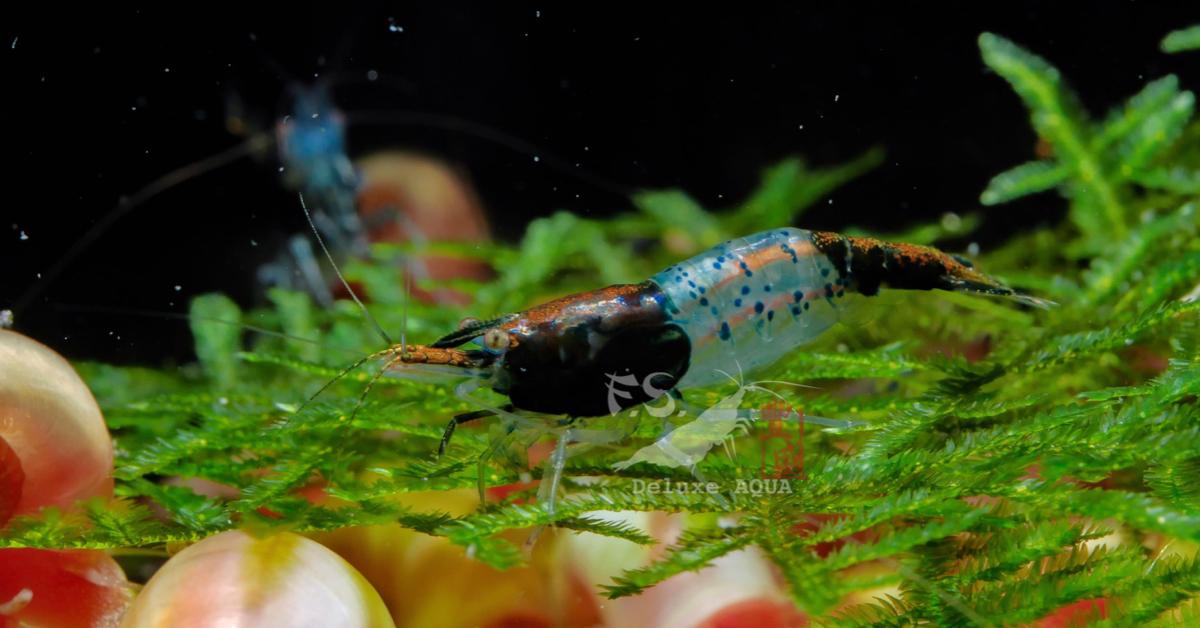
(38) Zebra rili
Chinese trade name: zebra rili
Common names: pinot rili shrimp
Scientific name:
Breeding-line charts and Neocaridina pedigree diagrams
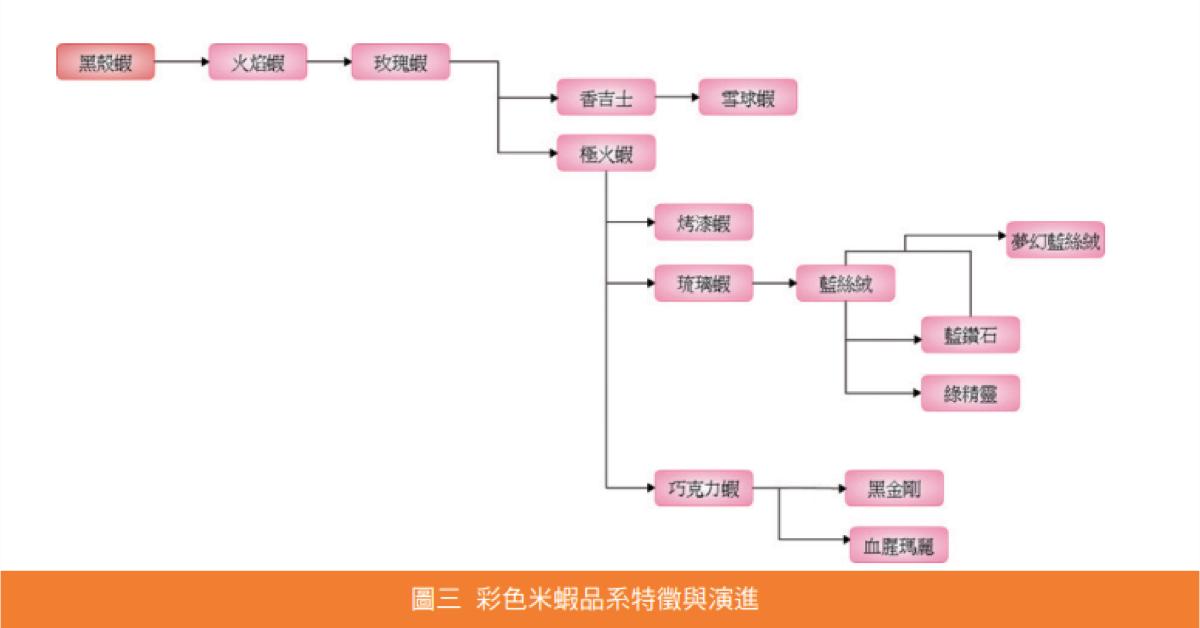
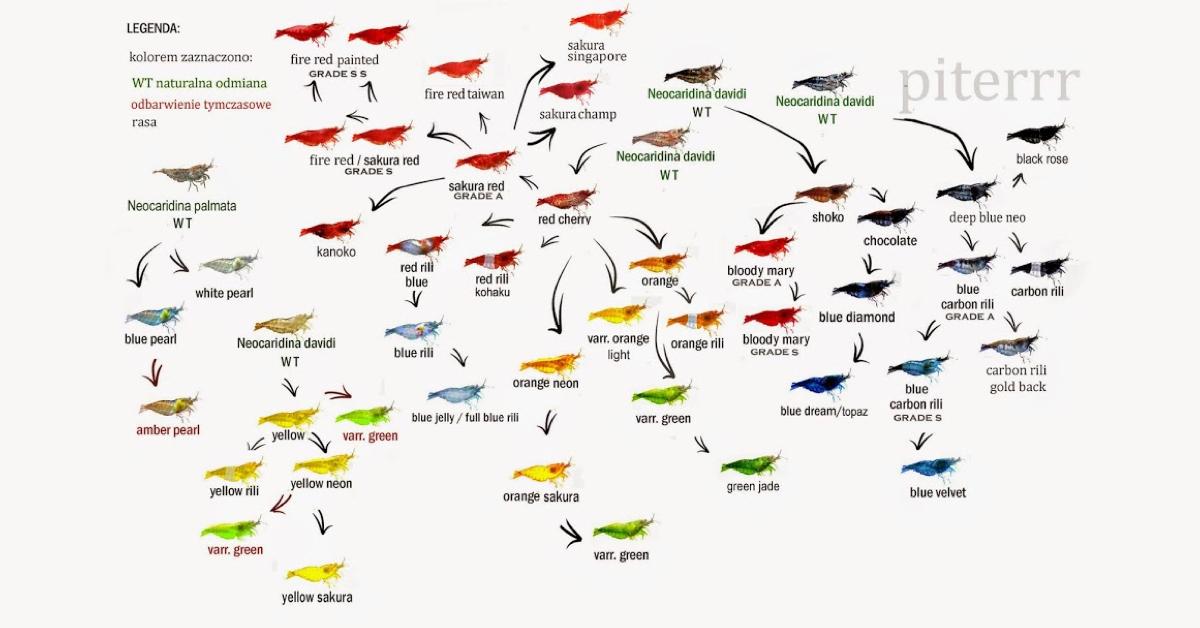
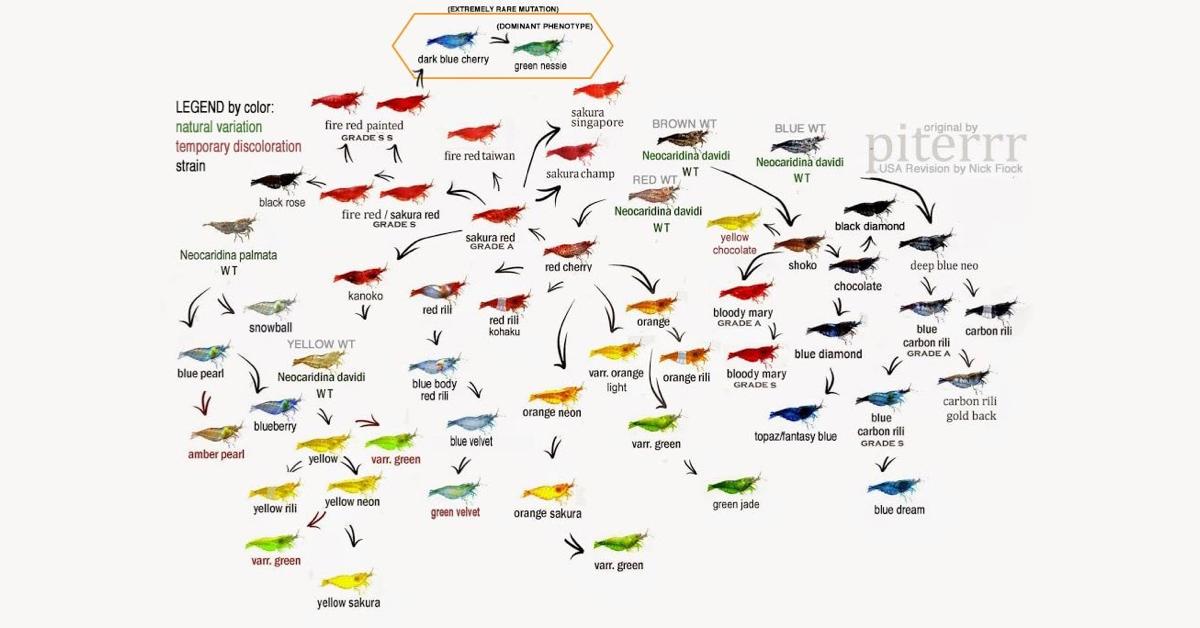
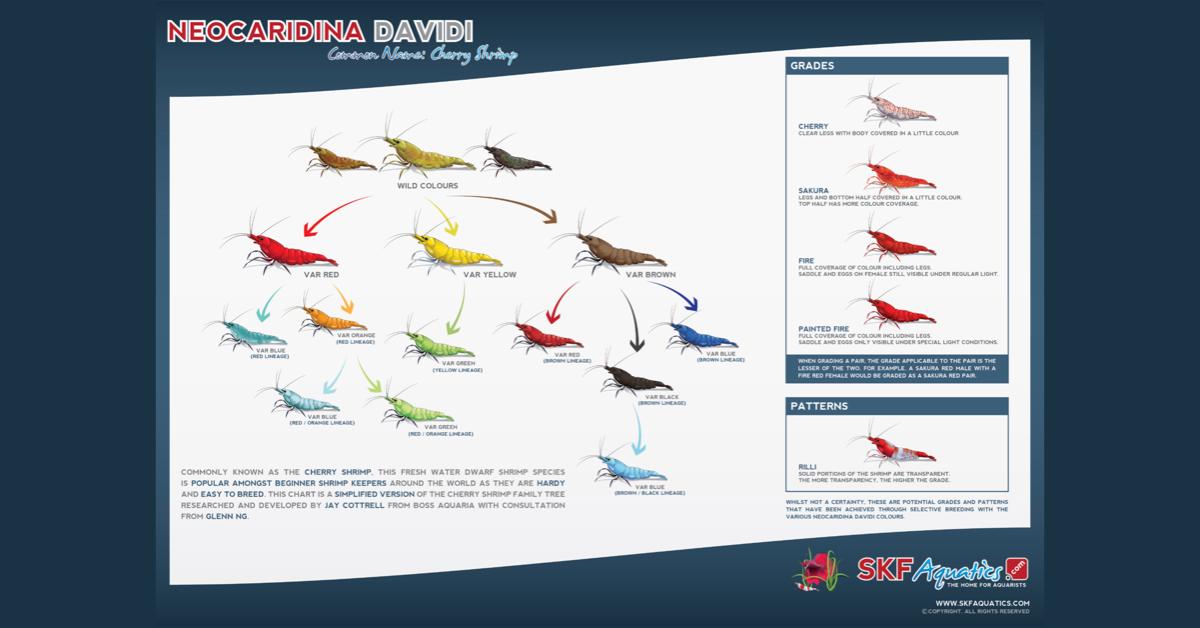
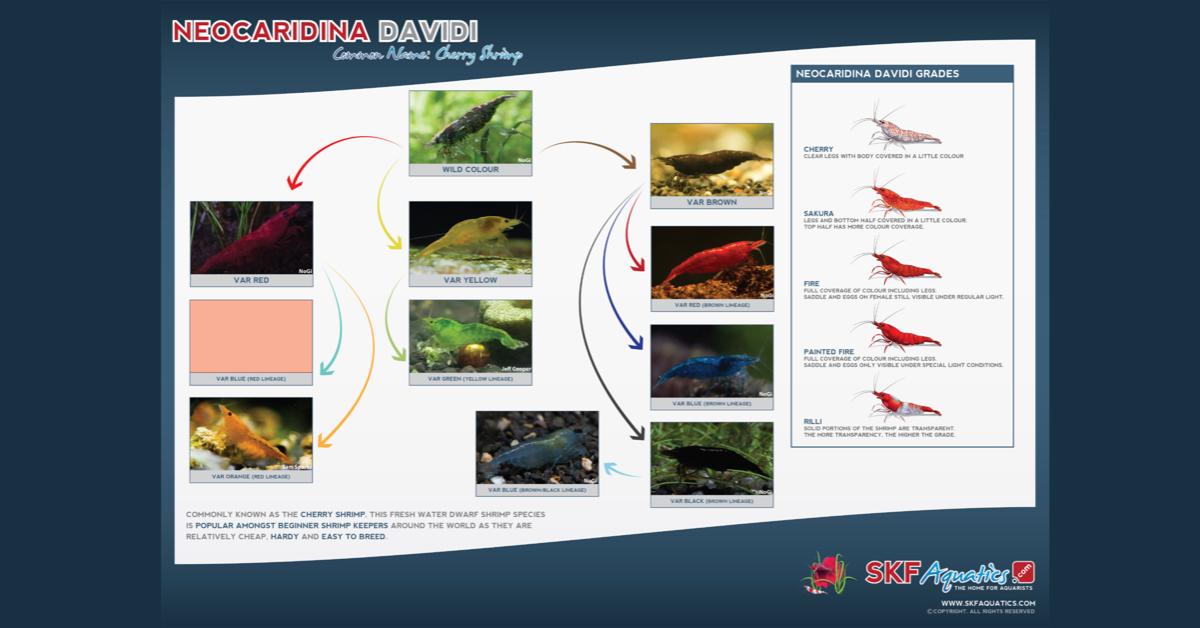
Where do all these colors come from? Hobbyists abroad have produced many pedigree charts; Chinese-language versions are scarce or incomplete. Collected here are several charts—each lineage differs, and it is all deep genetics.
A full cycle takes at least ~75 days; few keepers verify every stage. Following a chart alone does not guarantee a given color—environment, husbandry, and genetics all matter. Share your experience if this differs from yours.
Ornamental Shrimps of Taiwan includes Wang Kuo-chung’s authorized pedigree chart; for copyright it is not reproduced here—borrow from a library or ask older shops. I own a copy: five stars. (See the reading list; let’s support Taiwan publishing.)
This figure comes from the article “Overview of breeding technology for Taiwan’s freshwater ornamental shrimp” in Agro-Food Industry Report no. 43.
This chart is by a Polish hobbyist, forum handle piterrrrr (watermark shows three r’s, handle has five). I tried to ask his sources; his last forum visit was in 2016 and there has been no reply.
This chart is a tweaked version of the one above, modified by Nick Fiock (likely U.S.-based).
These two charts also come from an overseas forum; the poster’s handle is NoGi.
Cherry shrimp: a Taiwanese success story
I love visiting aquarium shops and public aquaria while traveling—zoos, aquariums, and science museums. Many displays feature tiny colorful poison-dart frogs in palm-sized tanks.
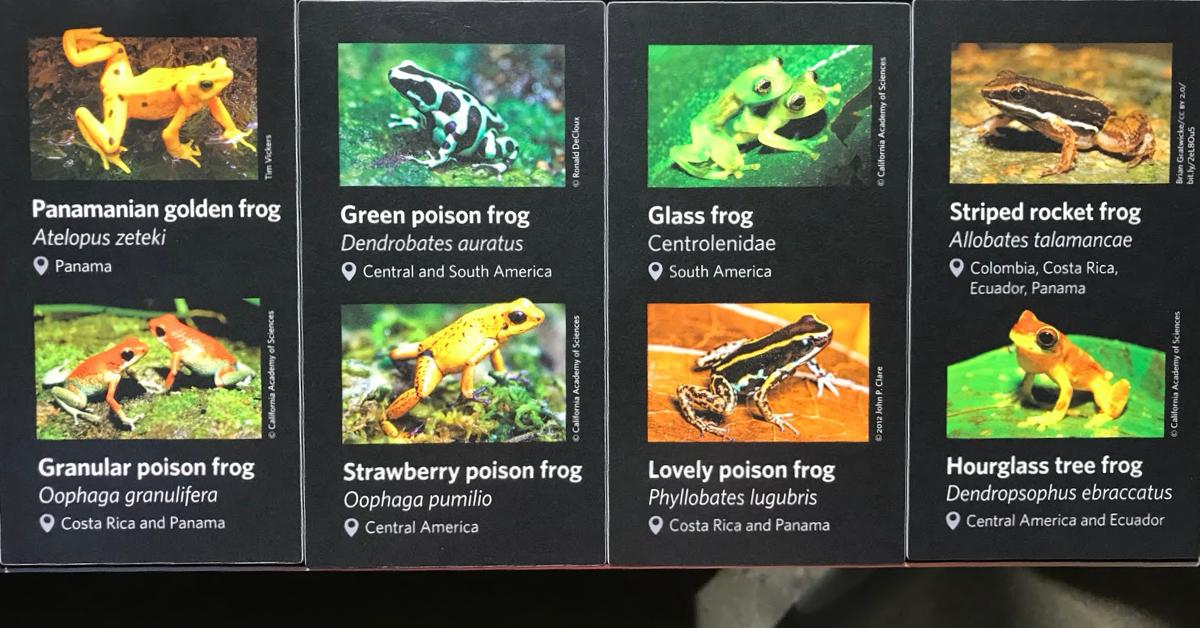
We are lucky to live where cherry shrimp culture thrives, with many color lines—and plenty of culls to practice on. Taiwan’s ornamental shrimp exports keep growing. I hope museums and aquaria worldwide (including NMMBA Pingtung) will someday showcase colorful cherry shrimp like those tiny poison-dart frog displays.
Recommended reading on cherry shrimp
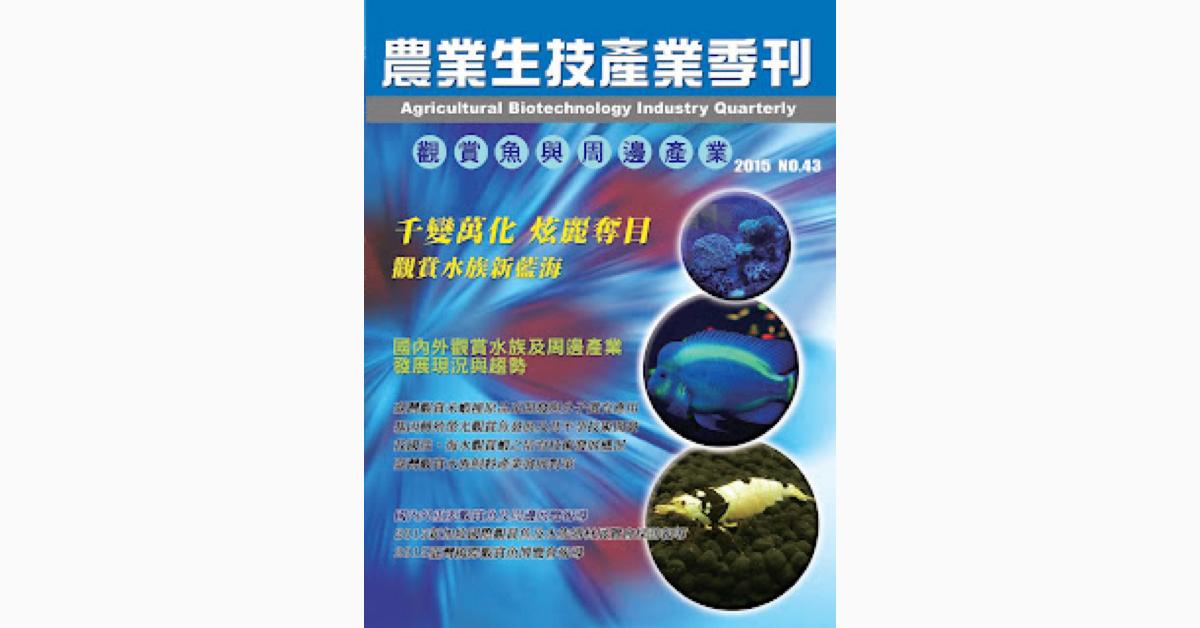
(1) Ornamental Fish & Accessories special issue (September 2015)
Agro-Food Industry Report no. 43 contains extensive cherry shrimp material; the full text is online atofficial websiteBrowse chapters you like, or go tohereThe full book can be read.
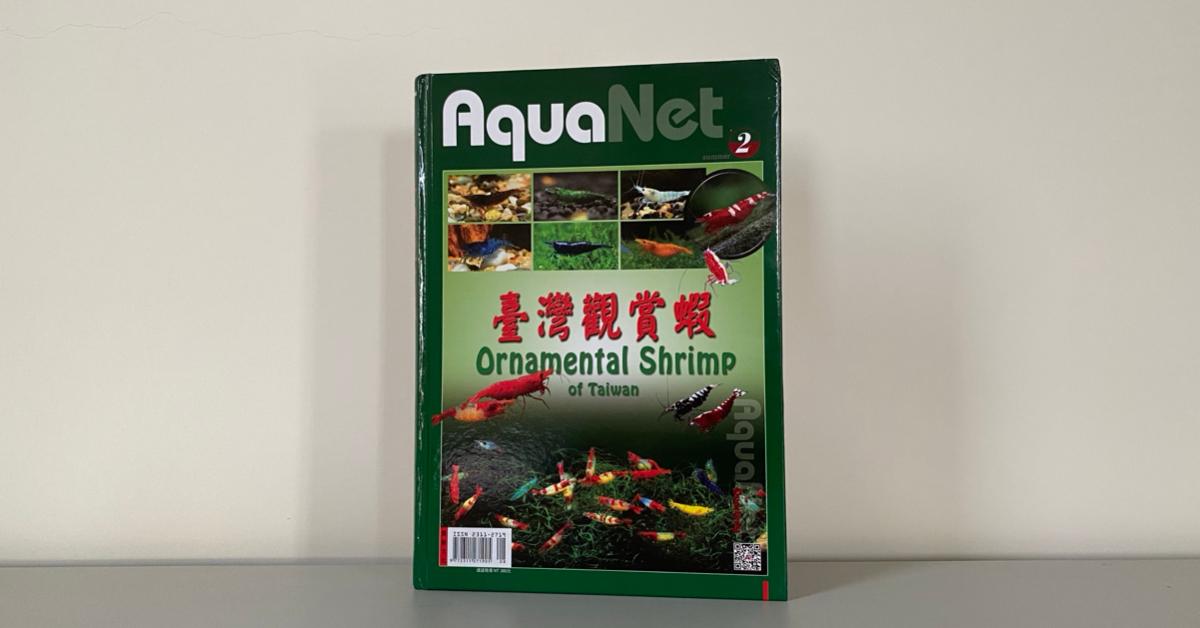
(2) AquaNet-2: Ornamental Shrimps of Taiwan (2014)
This show-style magazine is hardbound with many ads (162 pp.); pp. 30–88 on cherry shrimp were written by breeding pioneer Wang Kuo-chung and are especially valuable.
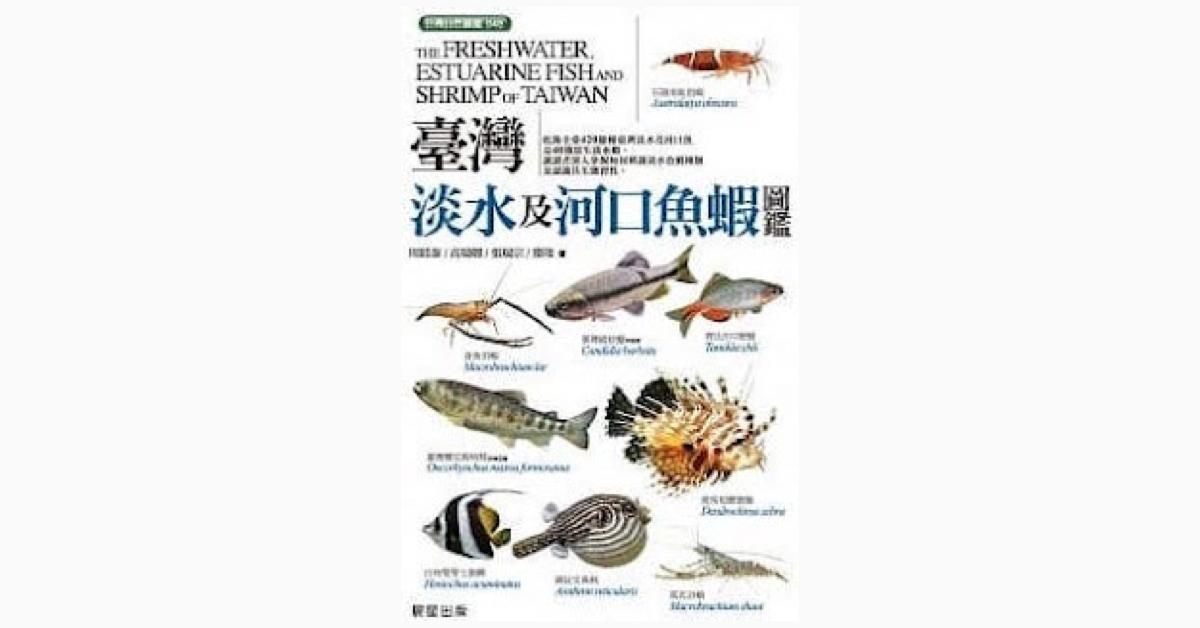
(3) Atlas of freshwater and estuarine fishes and shrimps of Taiwan (September 2020)
This is a relatively new and comprehensive shrimp atlas covering 40 native Taiwanese freshwater species, with an e-book option—very handy. OnGoogle BooksSome pages are viewable.
(4) Great illustrated guide to Taiwan freshwater fish and shrimp, vol. 2 (June 2007)
By Lin Chun-chi, published by Commonwealth Magazine in two volumes (fishes; shrimps with some fishes). Both are out of print and sought-after—libraries are the best bet; the plates are excellent and many older articles cite this atlas.
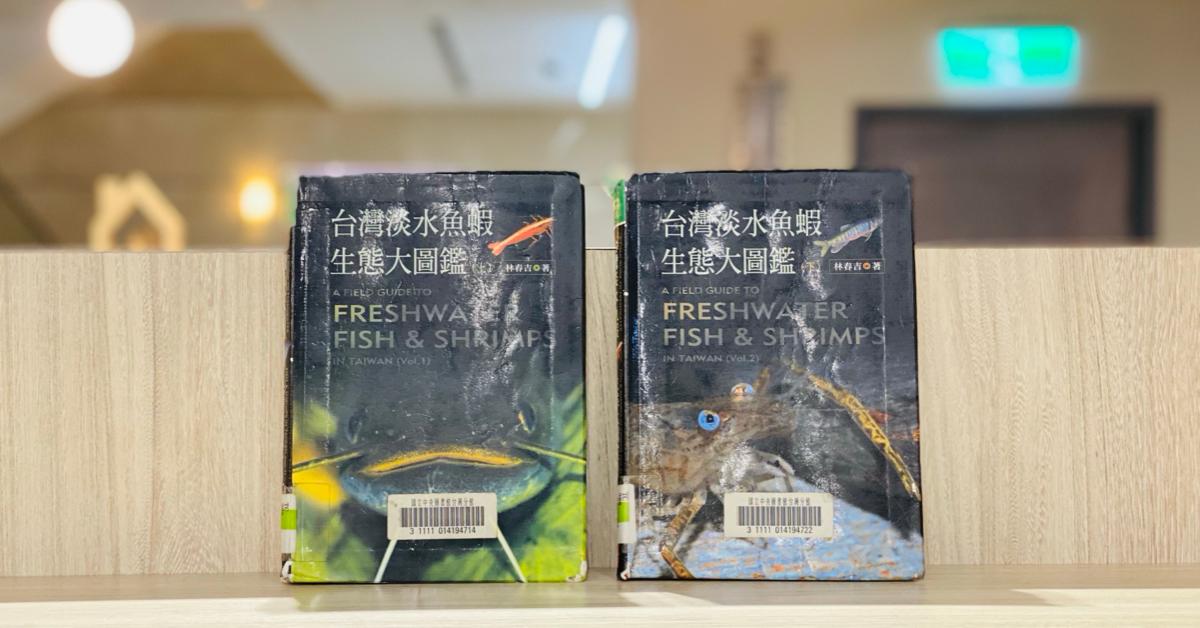
First edition: 5 June 2007; eighth printing: 25 February 2014, so copies still turn up on the second-hand market.

(5) Introduction to the Taiwan freshwater ornamental shrimp exhibition (December 2012)
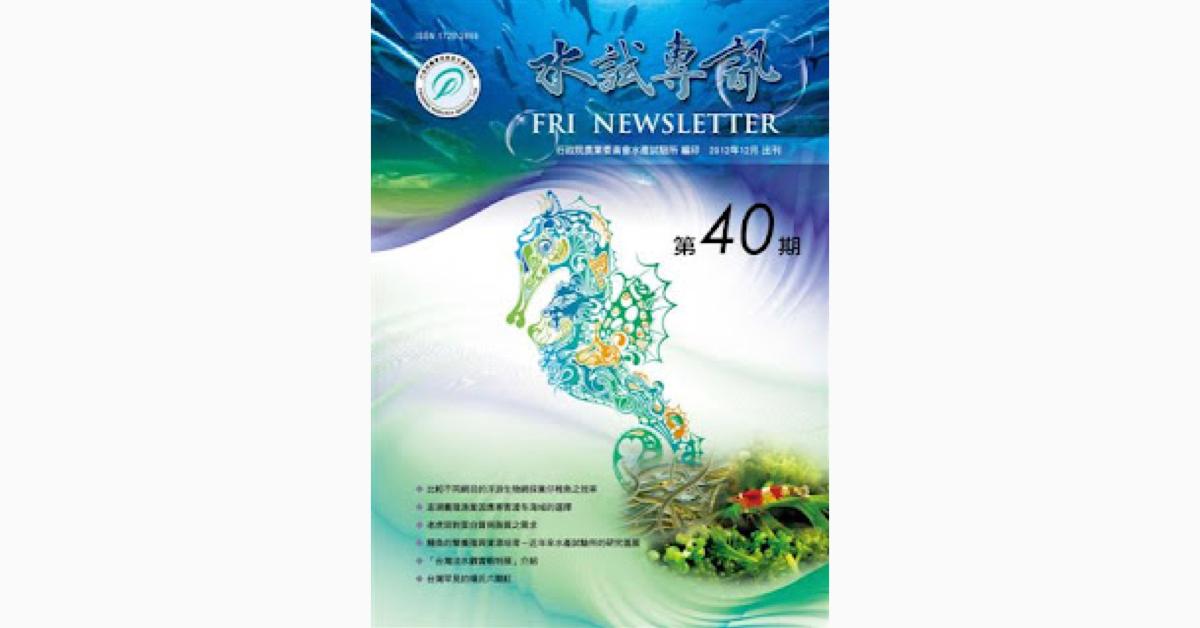
In 2012 a special ornamental-shrimp exhibit featured 32 species. A written record appears in Fisheries Research Institute special publication no. 40; seehereSee the main text.
References
- Chen, Hsiao, Chen & Yang (2017). Use of wild grass shrimp germplasm. Fisheries Research Institute e-newsletter no. 133. Retrieved from: https://www.tfrin.gov.tw/friweb/frienews/enews0133/w1.html
- Author unknown (date unknown). [Scientific name: Neocaridina denticulata sinensis.] Combined Catalog of Digital Archives and Digital Learning. http://catalog.digitalarchives.tw/item/00/46/0a/5c.html (accessed 17 Aug 2021).
- Shih, C.-C. (1990-04-03). [Neocaridina denticulata.] Combined Catalog of Digital Archives and Digital Learning. http://catalog.digitalarchives.tw/item/00/04/83/d6.html (accessed 17 Aug 2021).
- Author unknown (1989-07-08). [Neocaridina denticulata.] Combined Catalog of Digital Archives and Digital Learning. http://catalog.digitalarchives.tw/item/00/04/84/15.html (accessed 17 Aug 2021).
- Shih, C.-C. (1992-01-24). [Caridina pseudodenticulata.] Combined Catalog of Digital Archives and Digital Learning. http://catalog.digitalarchives.tw/item/00/04/83/d5.html (accessed 17 Aug 2021).
- de Haan, 1844 (date unknown). [Neocaridina denticulata.] Combined Catalog of Digital Archives and Digital Learning. http://catalog.digitalarchives.tw/item/00/04/7e/28.html (accessed 17 Aug 2021).
- Hung, Chan and Yu 1993 (date unknown). [Caridina pseudodenticulata.] Combined Catalog of Digital Archives and Digital Learning. http://catalog.digitalarchives.tw/item/00/04/7e/22.html (accessed 17 Aug 2021).
- Huang, C.-W. (2015). Development of Taiwan ornamental cherry shrimp strains and applications of molecular selection. Agro-Food Industry Report, pp. 20–25.
- Wu, Yang, Chen & Huang (2015). Overview of breeding technology for Taiwan’s freshwater ornamental shrimp. Agro-Food Industry Report, pp. 49–55.
- Lee & Huang (2007). Body color of wild grass shrimp. 47th National Primary and Secondary School Science Fair project handbook. Retrieved from: https://twsf.ntsec.gov.tw/activity/race-1/47/elementary/081538.pdf
- Chen Kun-fu (20 Dec 2018). Doing business overseas, eyeing Morris Chang—the TSMC of ornamental shrimp. Apple Daily. Retrieved from: https://tw.appledaily.com/finance/20181220/2FHTYS3LFTC2W75OFXWU3O4O7M/
- Han, CC., Hsu, KC., Fang, LS. et al. (2019), Geographical and temporal origins of Neocaridina species (Decapoda: Caridea: Atyidae) in Taiwan. BMC Genet 20, 86 . https://doi.org/10.1186/s12863-019-0788-y
- Sganga, DE, López Greco, LS. (2019), Assessment of potential trade-off between maternal colouration and offspring quality in the ornamental “red cherry” shrimp Neocaridina davidi (Bouvier). Aquac Res. 50: 1564– 1573. https://doi.org/10.1111/are.14032
- Tropea C, Stumpf L, López Greco LS. (2015), Effect of Temperature on Biochemical Composition, Growth and Reproduction of the Ornamental Red Cherry Shrimp Neocaridina heteropoda heteropoda (Decapoda, Caridea). PLoS ONE 10(3): e0119468. https://doi.org/10.1371/journal.pone.0119468
- Tomas, AL, Sganga, DE, Battista, A, López Greco, LS. (2021), Body coloration, carotenoid content, spermatophore quality and biochemical parameters by effect of temperature in the caridean shrimp Neocaridina davidi (Atyidae). Acta Zool. 102: 297– 309. https://doi.org/10.1111/azo.12336
- Tomas, AL, Sganga, DE, López Greco, LS. (2020), Effect of background color and shelters on female pigmentation in the ornamental red cherry shrimp Neocaridina davidi (Caridea, Atyidae). J World Aquacult Soc. 51: 775– 787. https://doi.org/10.1111/jwas.12660
- Tropea, C., Sganga, D.E. and López Greco, L.S. (2019), Egg production in relation to paternal weight in a freshwater caridean shrimp (Decapoda). J Zool, 309: 50-59. https://doi.org/10.1111/jzo.12683
- Plichta, Zuzanna, Jarosław Kobak, Rafał Maciaszek, and Tomasz Kakareko. (2021), All Shades of Shrimp: Preferences of Colour Morphs of a Freshwater Shrimp Neocaridina davidi (Decapoda, Atyidae) for Substrata of Different Colouration. Animals 11, no. 4: 1071. https://doi.org/10.3390/ani11041071
- Kohal, M.N., Fereidouni, A.E., Firouzbakhsh, F., Hayati, I. (2017), Effects of dietary incorporation of Arthrospira (Spirulina) platensis meal on growth, survival, body composition, and reproductive performance of red cherry shrimp Neocaridina davidi (Crustacea, Atyidae) over successive spawnings. Journal of Applied Phycology, 30, 431-443.
- Nur, F., Christianu, A. (2013). Breeding and life cycle of Neocaridina denticulata sinensis (Kemp, 1918). Asian Journal of Animal and Veterinary Advances, 8, 108-115.
- Bingöl, B., Türkmen, G., Karadal, O. (2016). Effects of different aquarium feeds on growth performance and survival rate of red cherry shrimp (Neocaridina denticulata). Ege Journal of Fisheries and Aquatic Sciences, 33, 217-222.
- piterrrrr (2015). This is my version. Retrieved from: https://skfaquatics.com/forum/forums/topic/8474-cherry-shrimp-family-tree-is-finally-here/page/2/?tab=comments#comment-105863, https://forum.aquariumcoop.com/topic/374-neocaridina-family-tree/
- NoGi (2016). SKF Neocaridina davidi photo chart. Retrieved from: https://skfaquatics.com/forum/articles/grading/skf-neocaridina-davidi-photo-chart-r62/
Article update log
Article published
Typo fixes.
Added photos and notes for males and females.
Added wild grass shrimp photos and data from the Taiwan freshwater fish & shrimp ecology atlas.
Minor wording fixes.
Added Blogger index for quicker lookup.
Added reprint information for the Taiwan freshwater fish & shrimp ecology atlas.
Article moved to personal site.
Acknowledgments
Received a message from Mr. Wang Yeh-hao of Larmax International—a pioneer in Taiwan cherry shrimp farming and son of Mr. Wang Kuo-chung mentioned in the text—praising the article’s accuracy.
Thanks to Mr. Hung Yu-sheng of Deluxe AQUA / lobsterBA for English common names.
Thanks to Mr. Wang Yeh-hao of Larmax International for permission to use official site photos.
Thanks to Mr. Hung Yu-sheng of Deluxe AQUA / lobsterBA for cherry shrimp photos.